The web is closing. We’re keeping it open.

When everything feels broken, that’s exactly when you need to stick to your principles.

Governments want to track everyone. Big tech keeps closing the web. Search engines punish the very creators they live on. Hardware is locked down tighter every year. Even operating systems limit users and call it “security.”

Meanwhile, we just keep it simple: software matters.

Because software isn’t just apps on your phone—it’s how we learn, work, create, connect. Block software, and you block freedom.

That’s why Uptodown is built the way it is:

  • No logins. No tracking. No selling your data.
  • No commissions. No shady contracts. No competing with devs.
  • No borders, no artificial limits.

Free. Safe. Accessible. Everywhere.

Protect software, protect freedom.


How Uptodown Protects Your Privacy

  • No registration required: You can download software without creating an account or linking your identity.
  • No tracking or profiling: We do not connect your downloads with your personal usage.
  • No third-party exploitation: Uptodown does not share data with external platforms or companies.
  • Independent by design: We are not part of a corporate group with hidden interests or conflicts.

How Uptodown Supports Developers and the Software Community

  • Zero commission: All developer revenue belongs entirely to the creators.
  • Open access: The only conditions for publishing are quality and security, never restrictive commercial terms.
  • No competition with creators: We do not build apps to compete with the developers we host.
  • Collaboration for all: Uptodown works with individuals and companies worldwide, regardless of origin or affiliation.

How Uptodown Makes Software Accessible

  • Open distribution channels: We use the web as a universal, barrier-free platform, not closed ecosystems.
  • Authentic files: Apps are always distributed exactly as their developers provide them—without tampering, resigning, or modifications.
  • Global access: Uptodown distributes software worldwide, without artificial restrictions based on geography, politics, or commercial interests.
  • Cross-platform freedom: We support access from any device, operating system, or environment.

Uptodown exists to defend a simple idea: software should remain free, safe, and accessible to everyone. Protecting software distribution is protecting freedom itself.

Back in Málaga, All Set for Uptodown’s AI Revolution

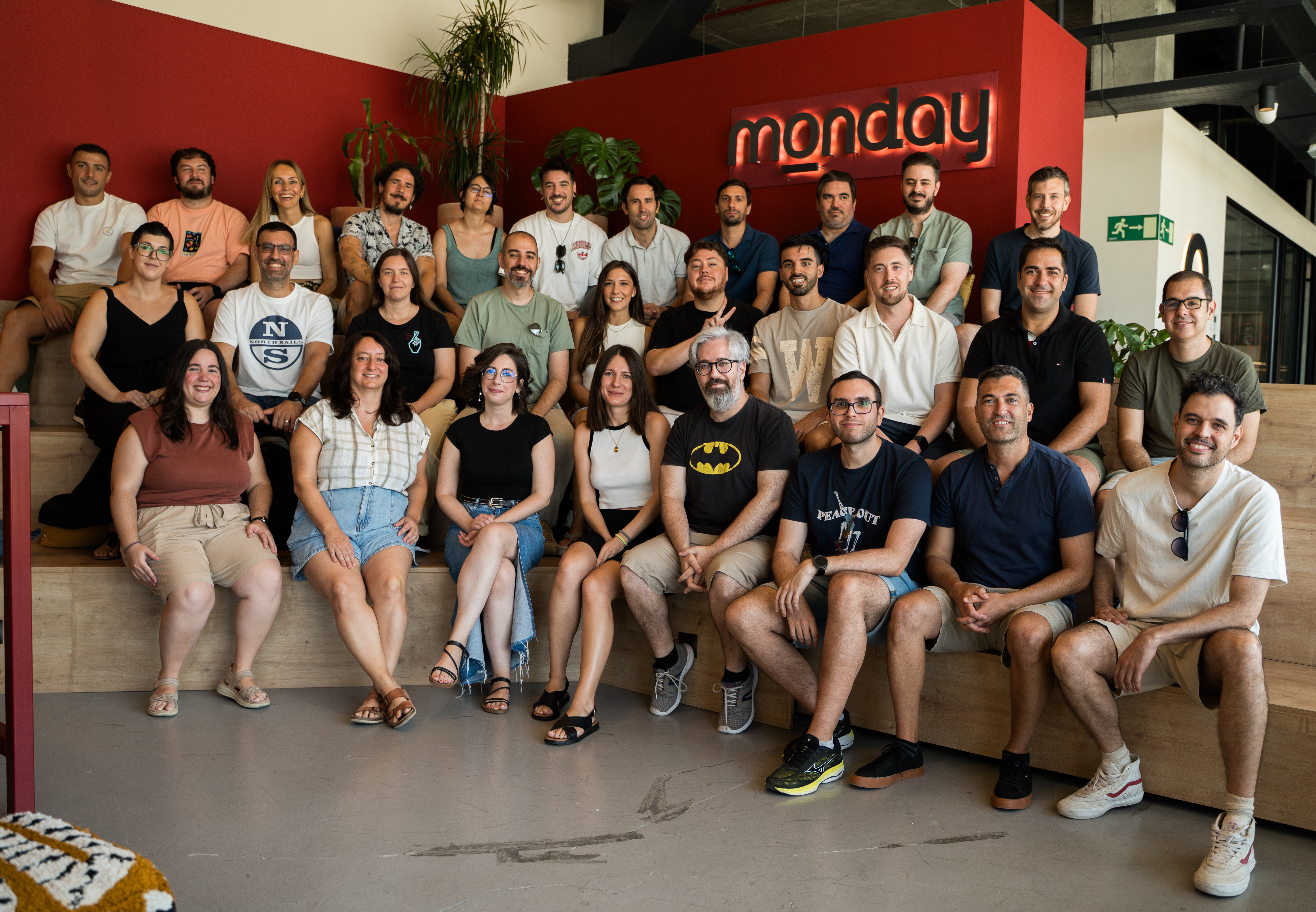
Just got back to Málaga after a year in Berkeley, California, and reconnected with the entire Uptodown team.

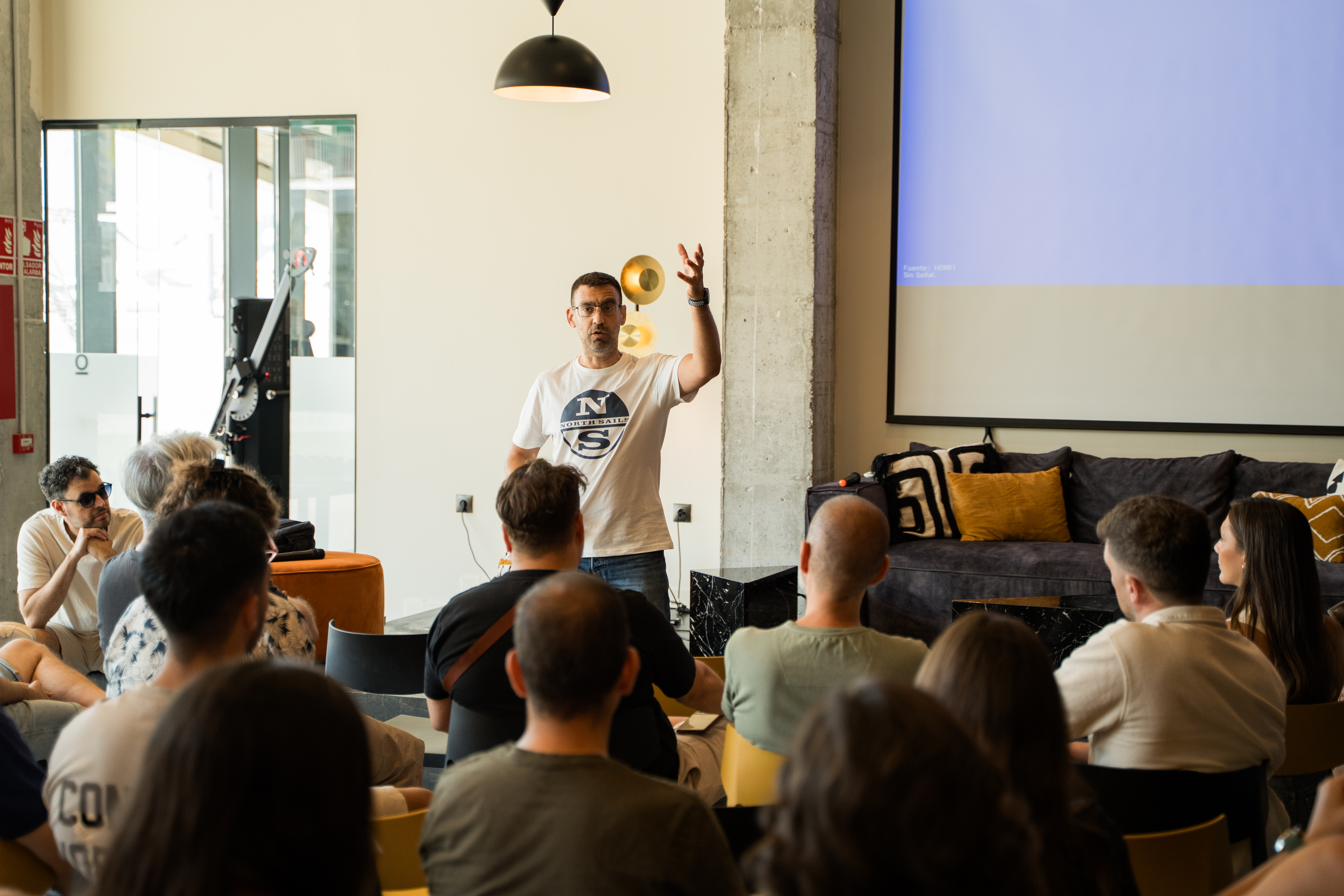
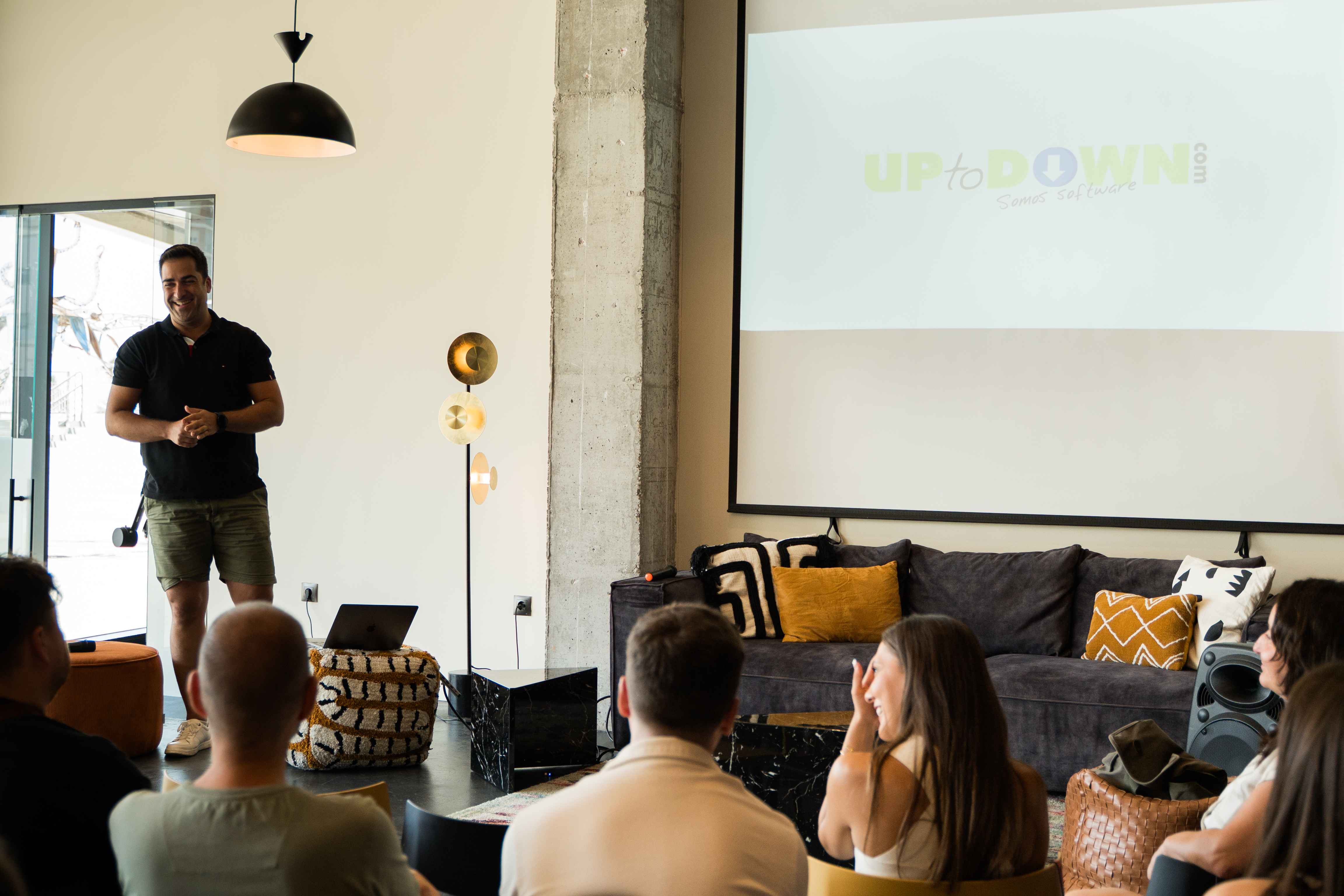
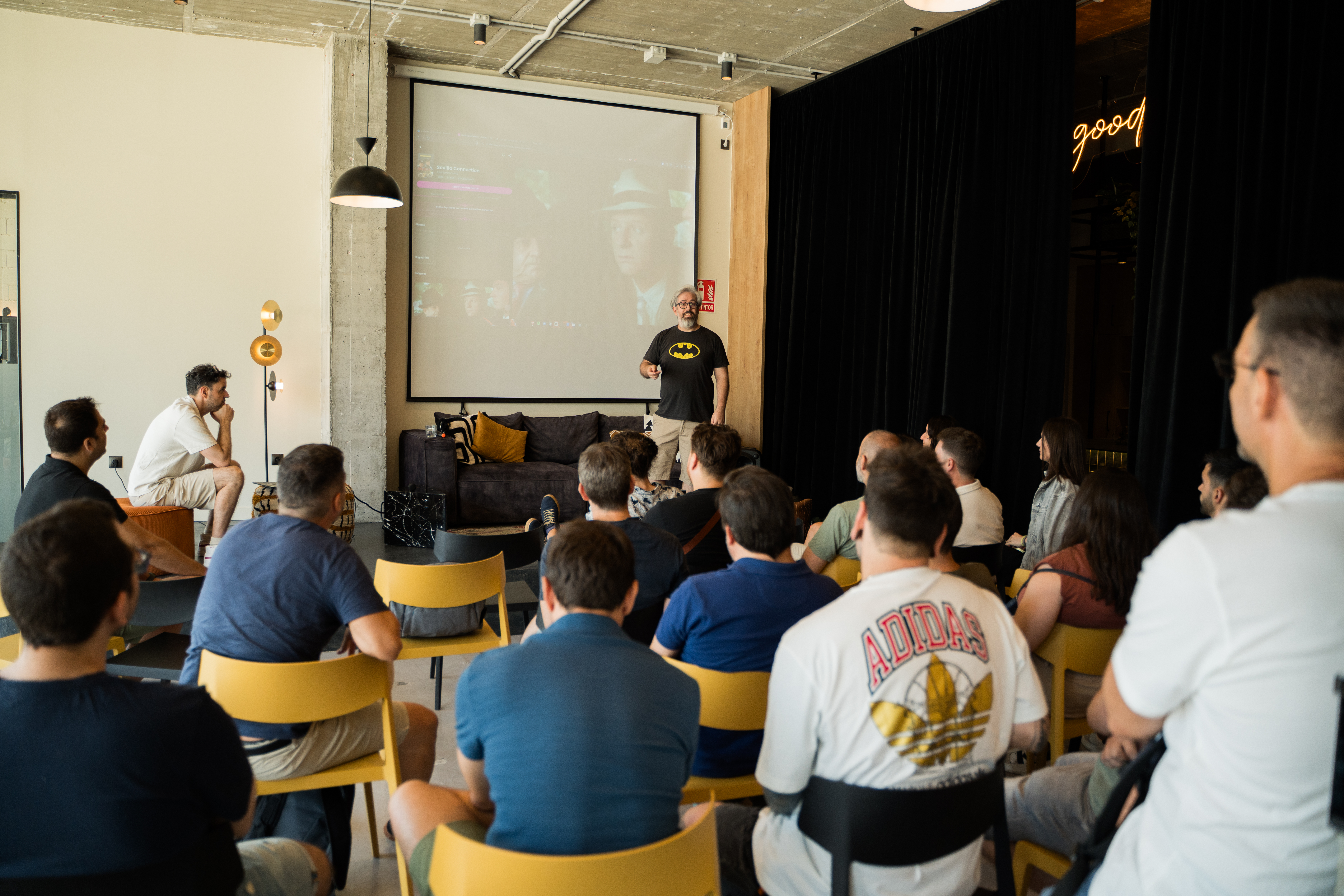
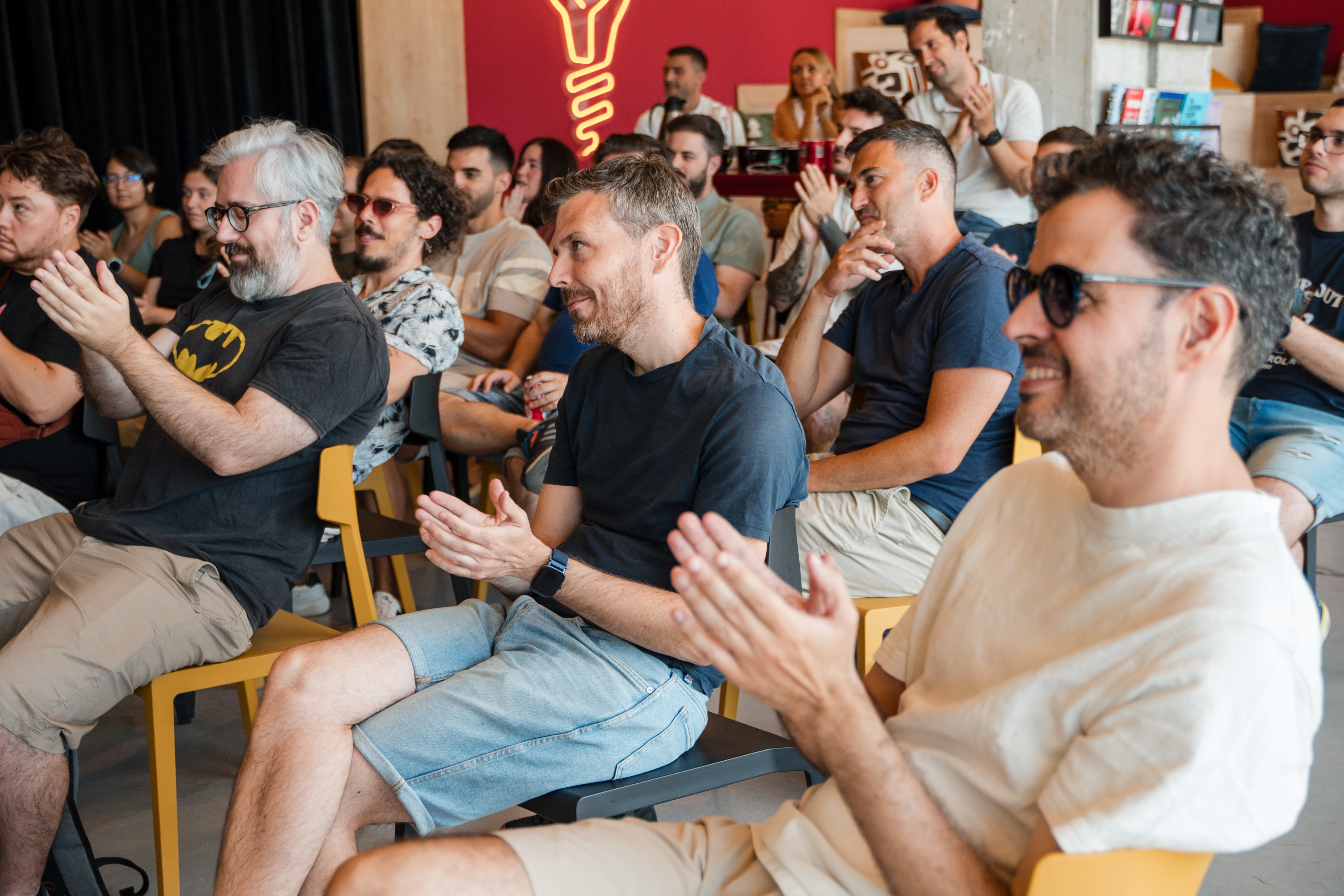
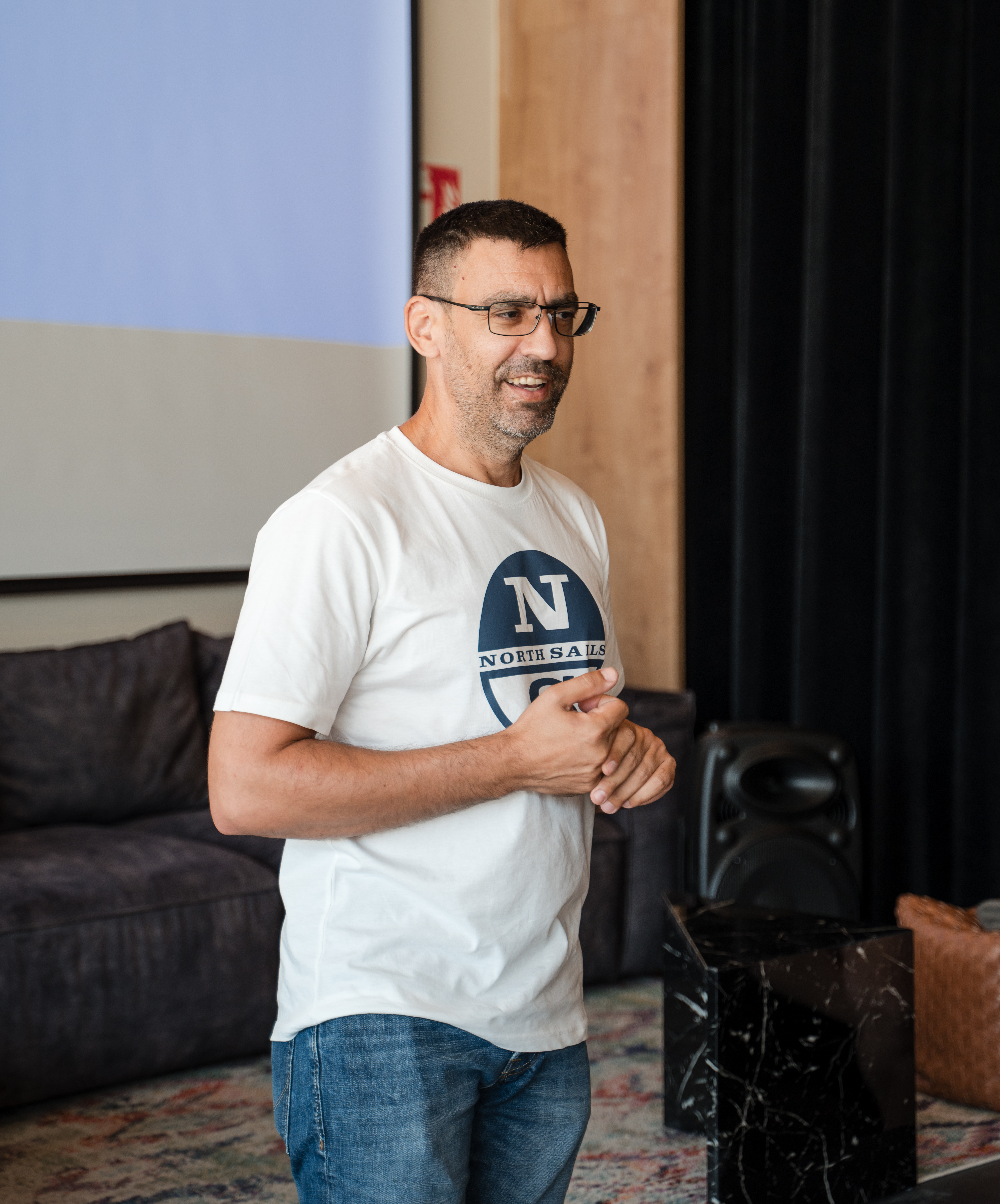
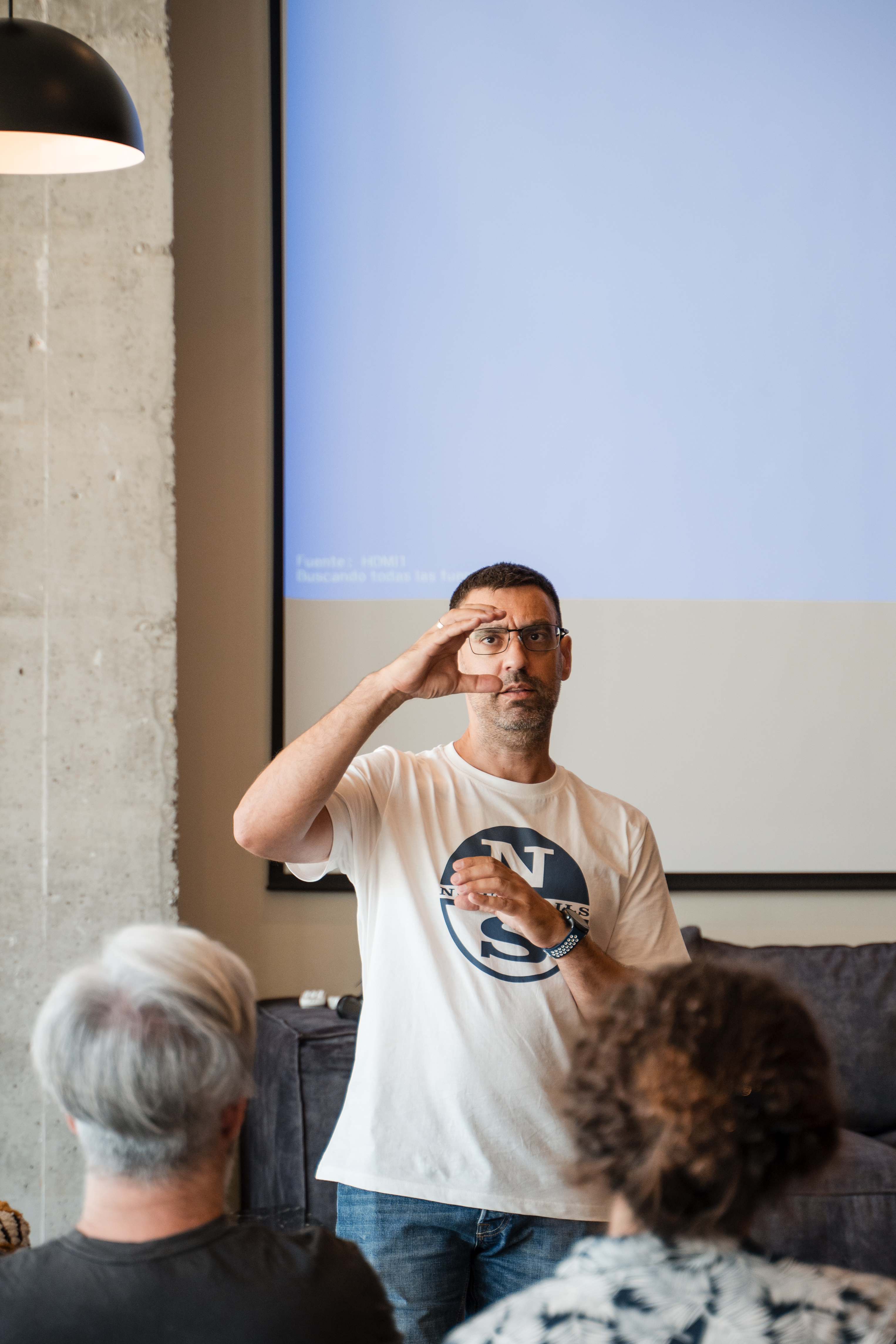
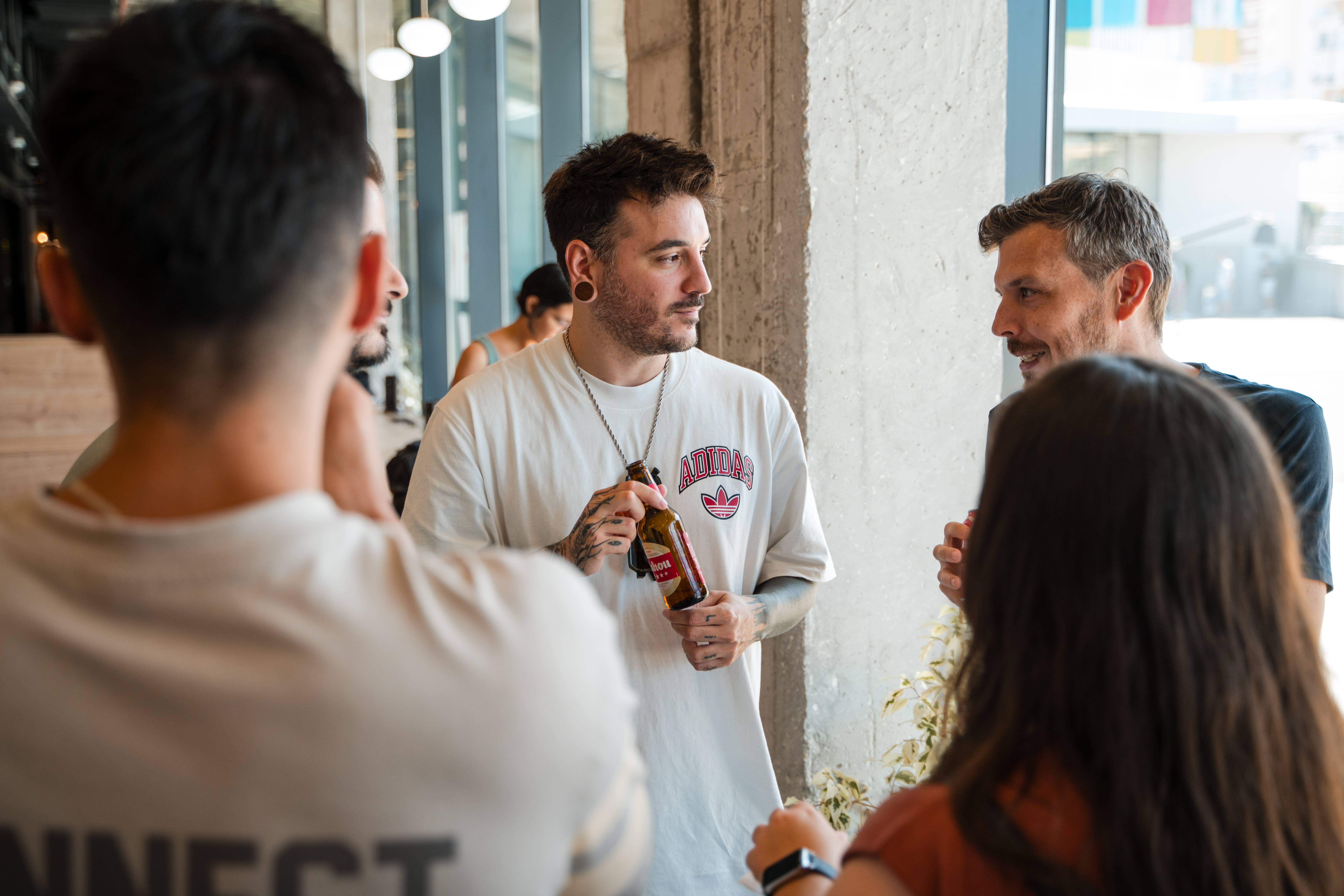
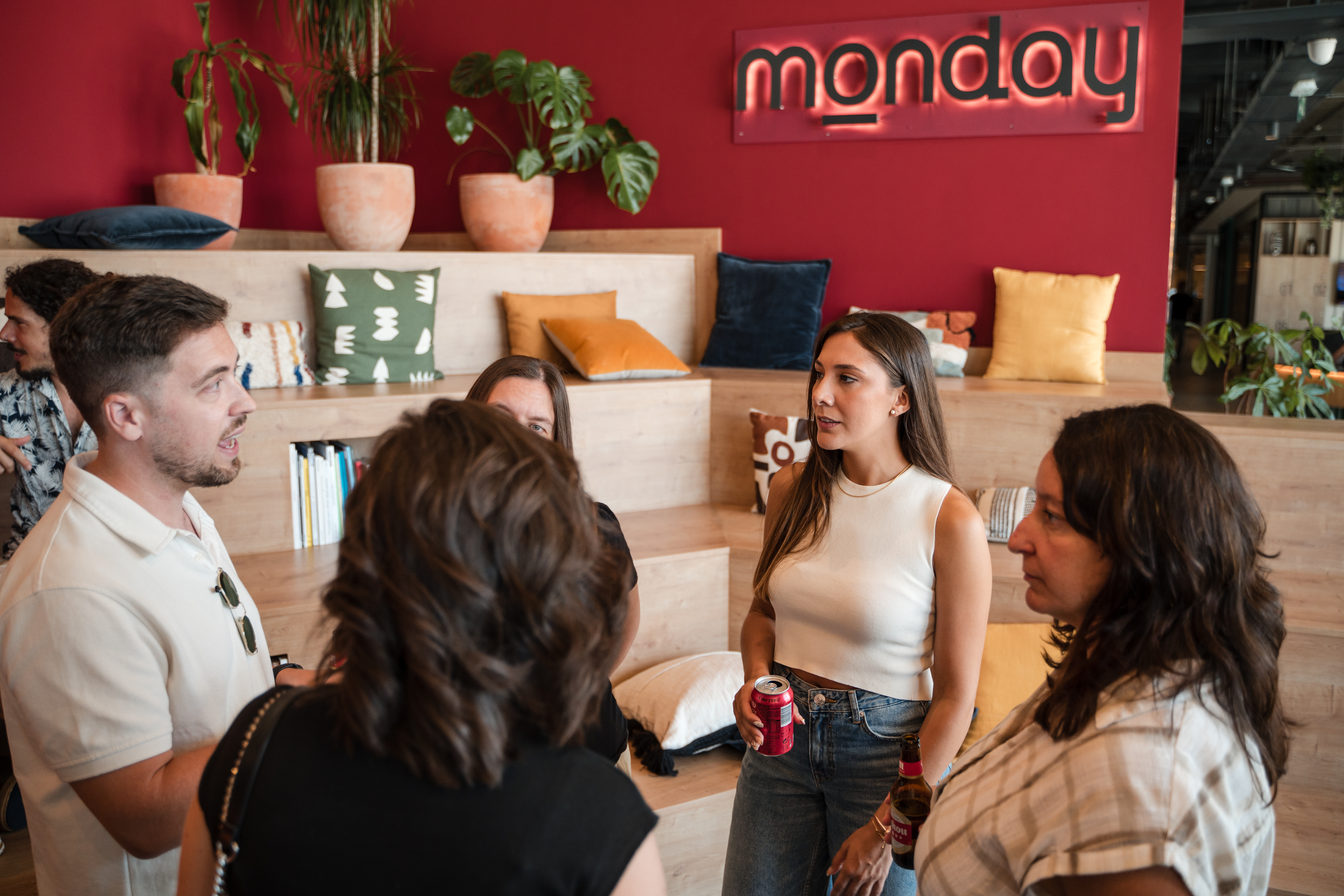
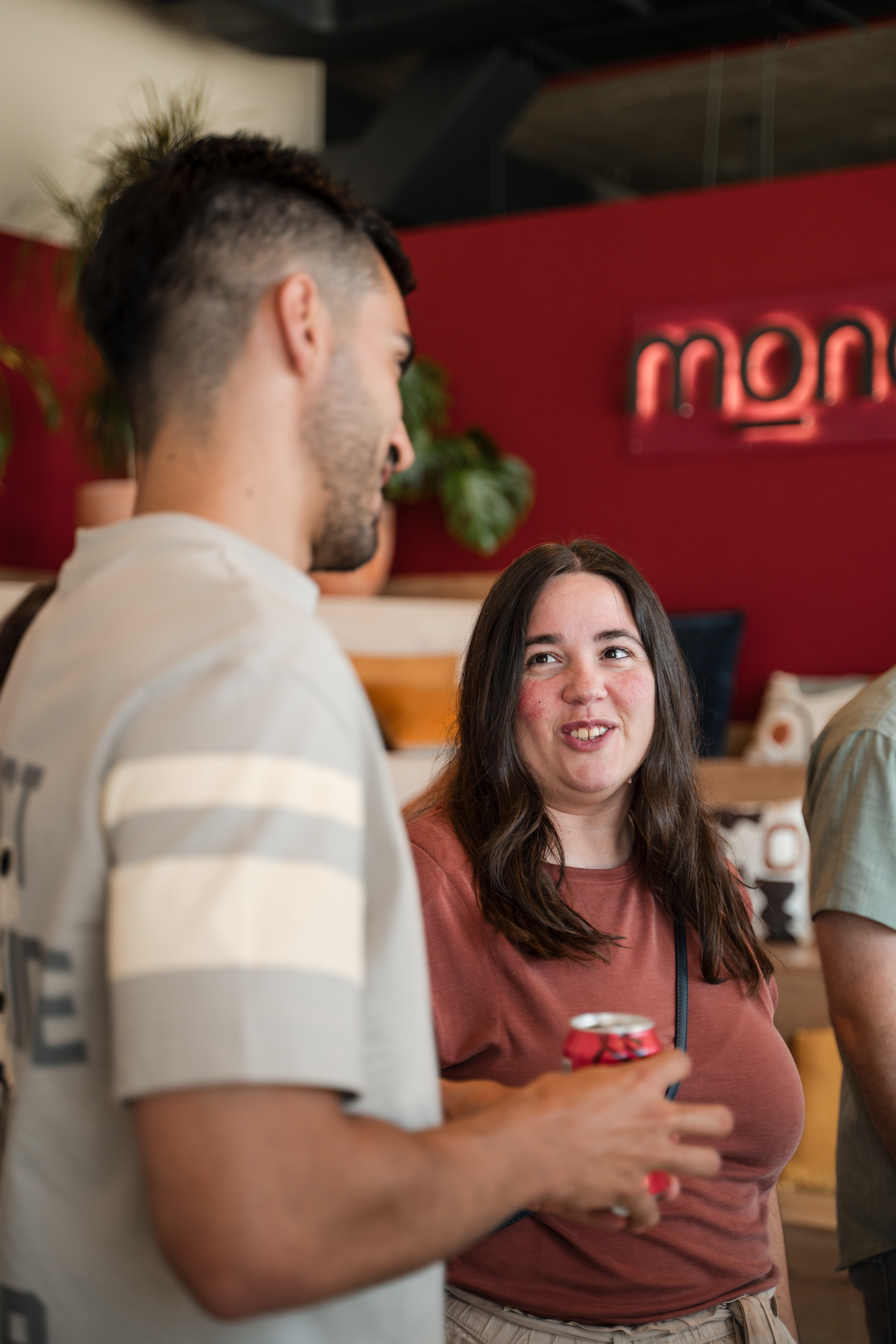
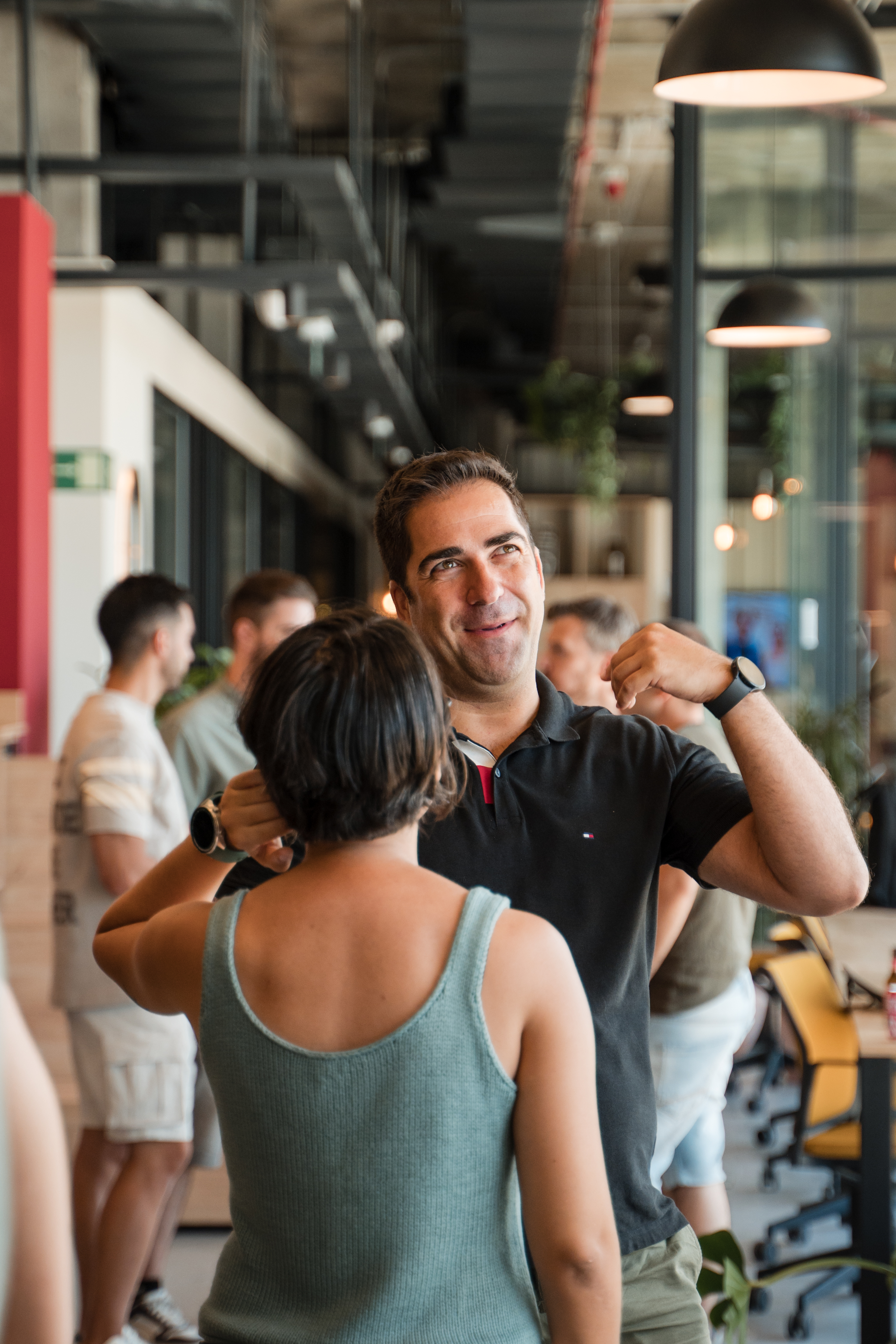
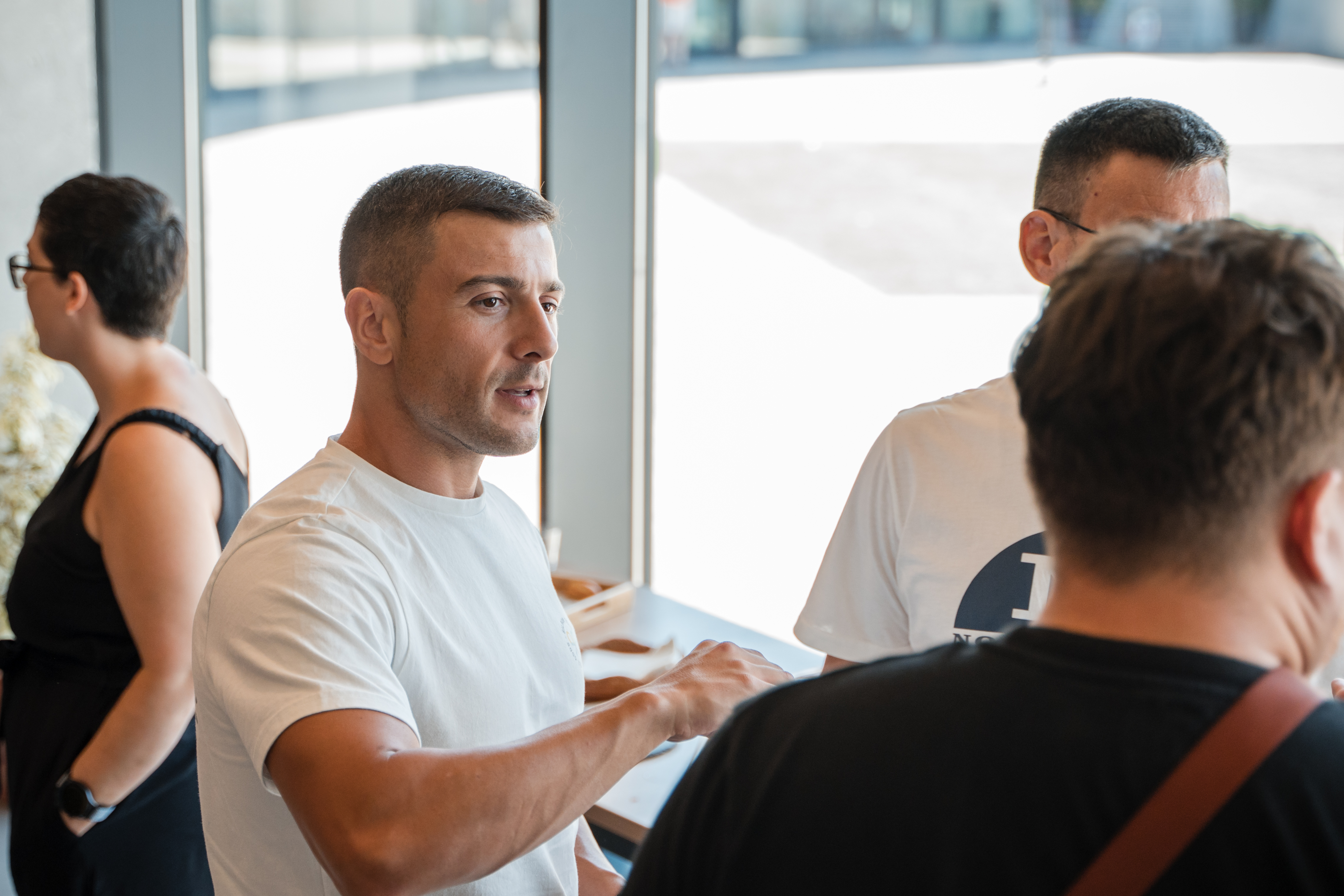
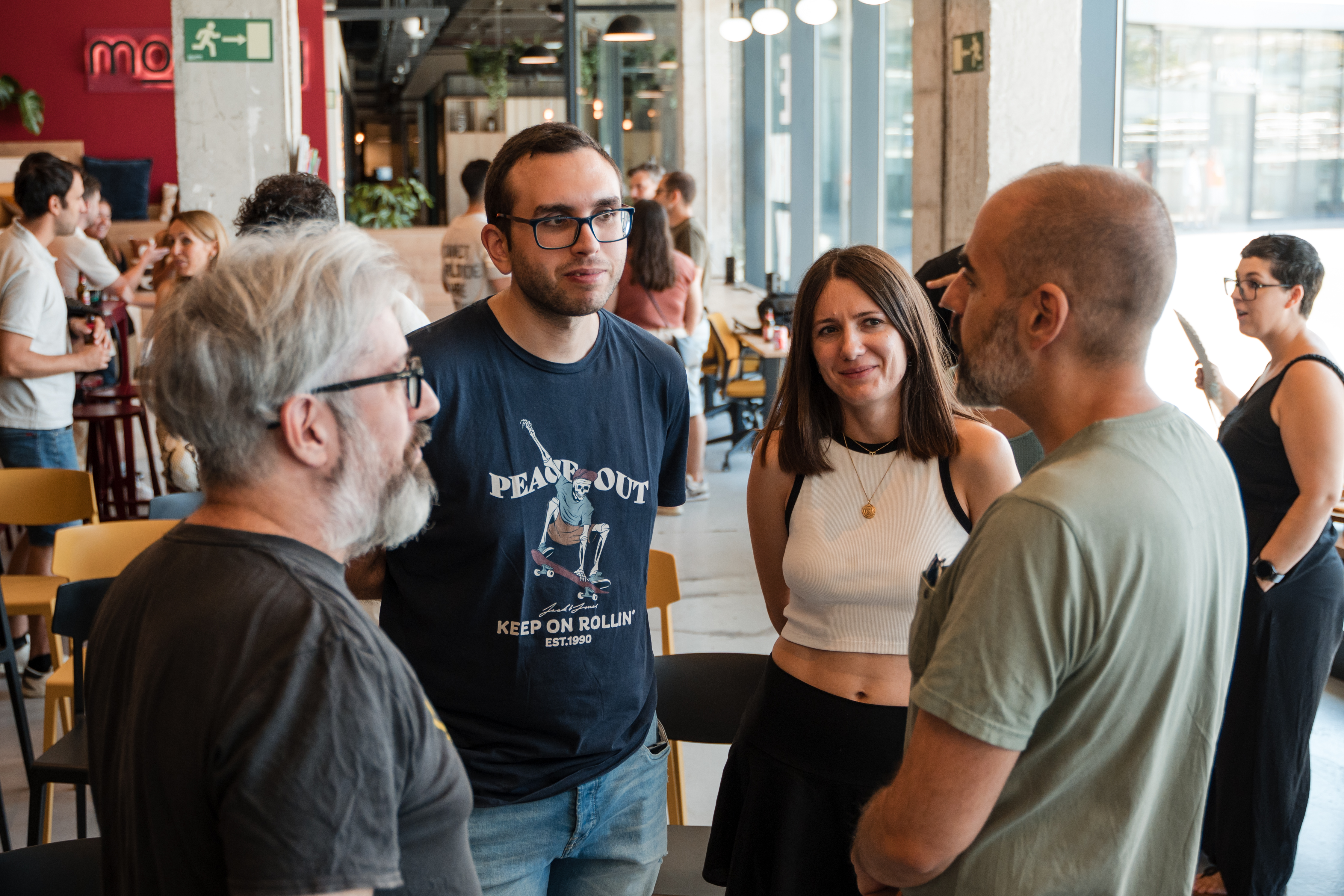
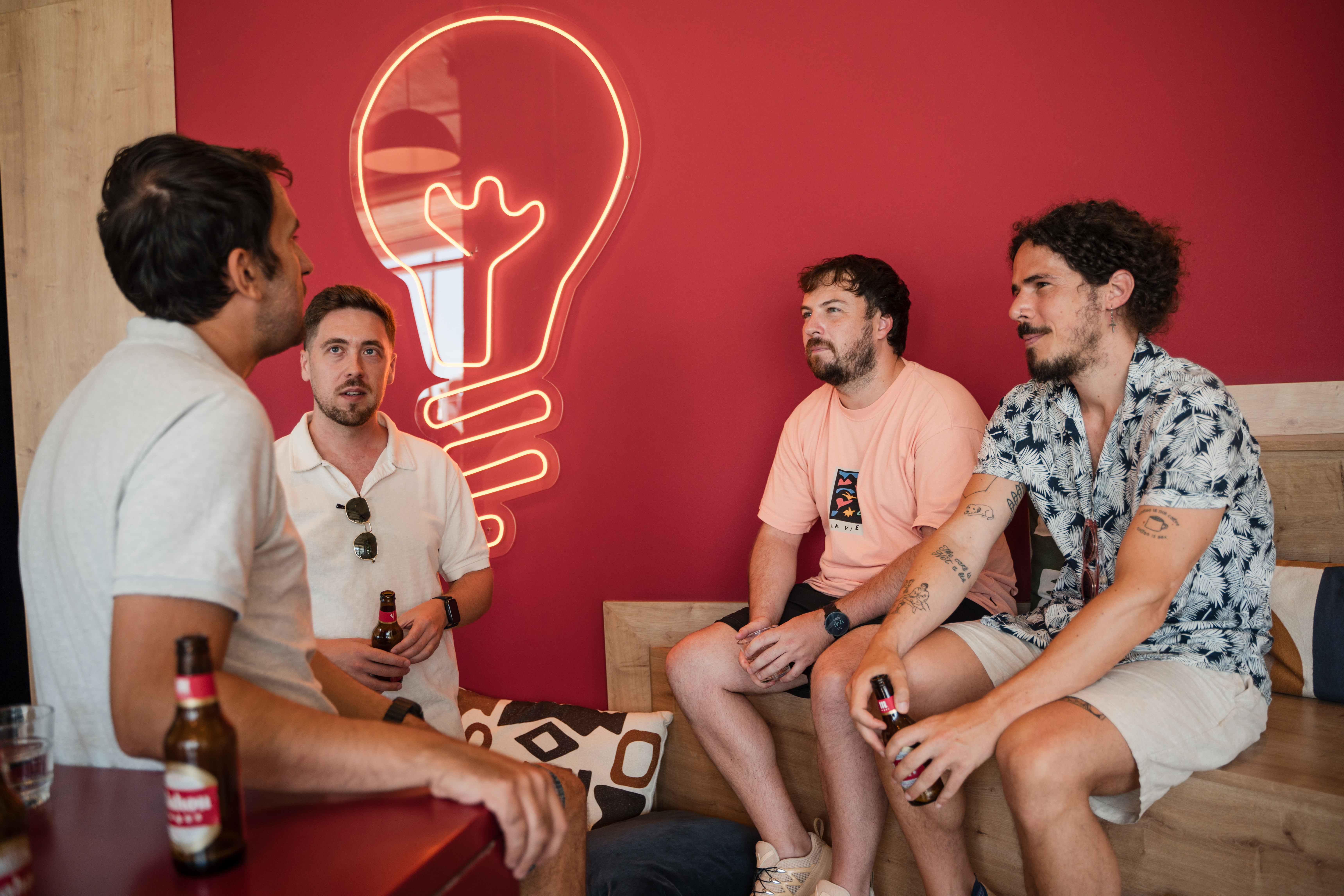
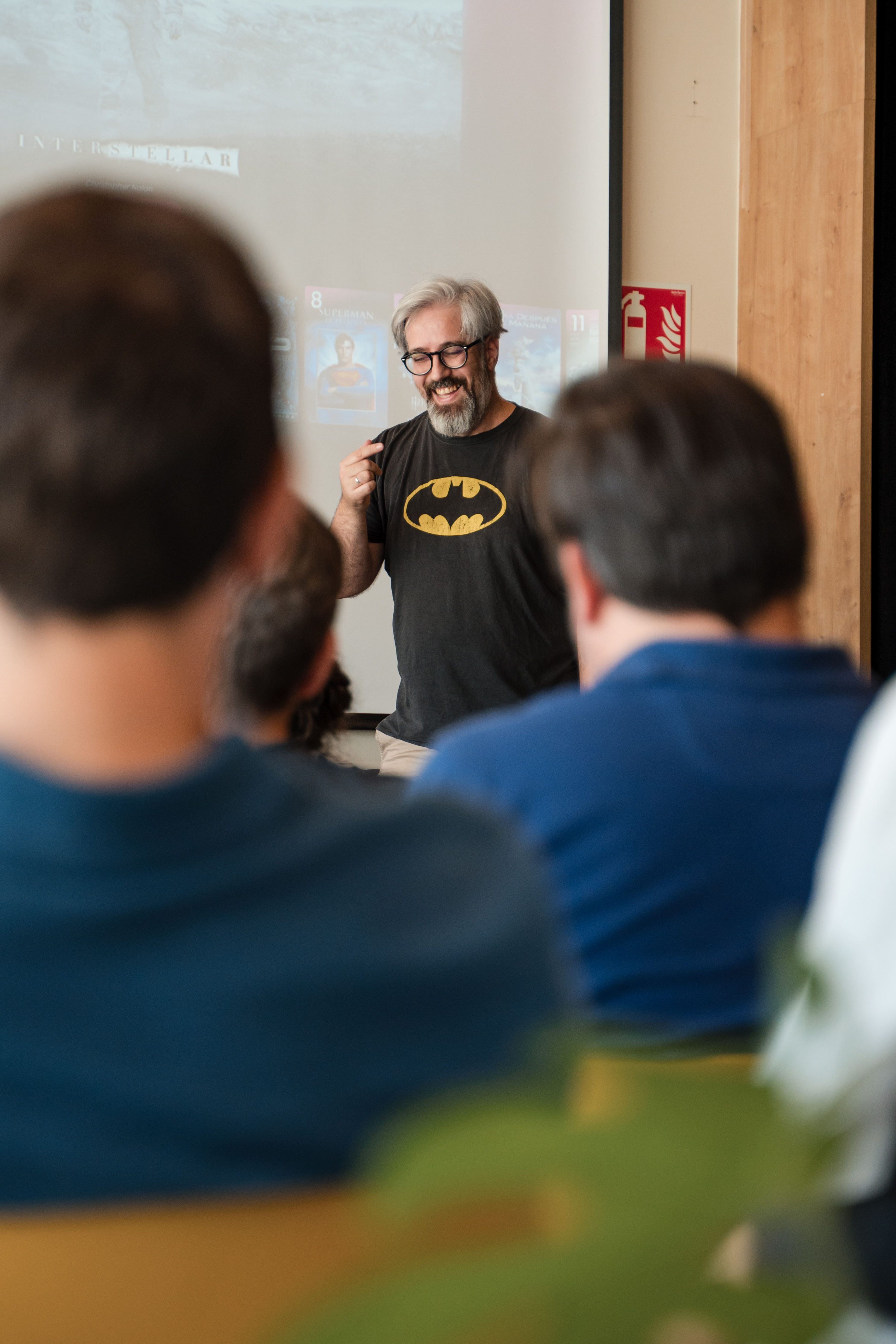
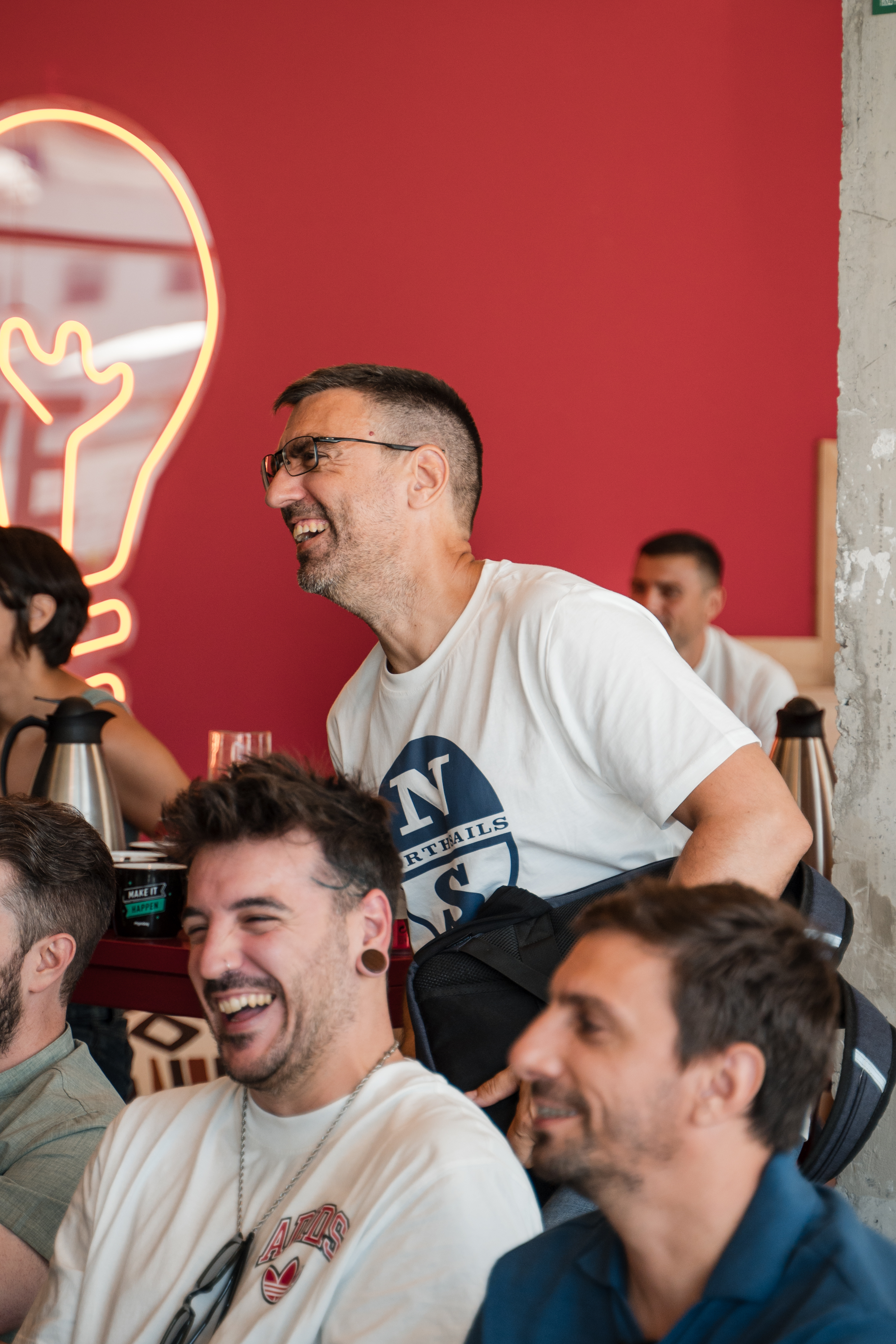
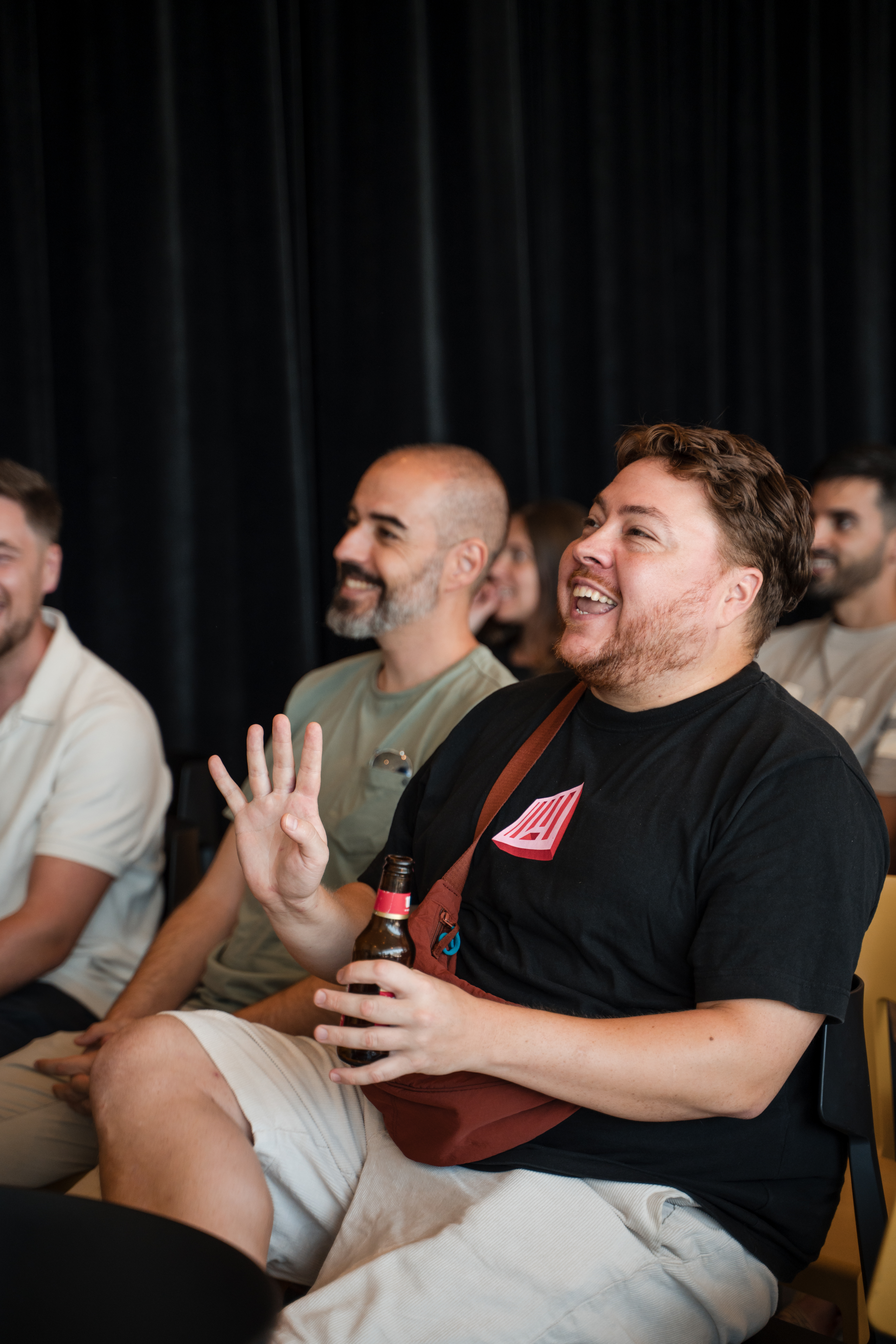
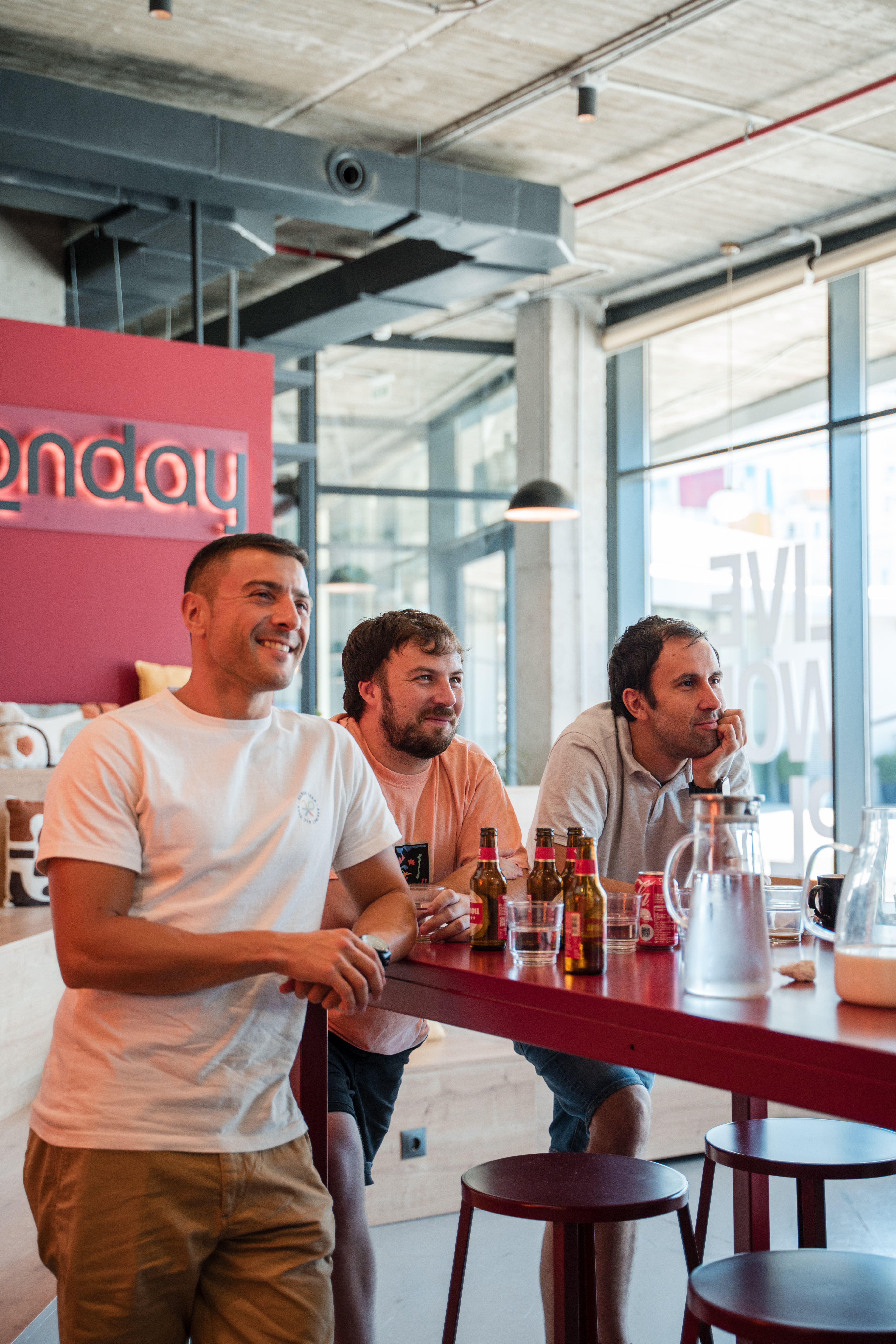
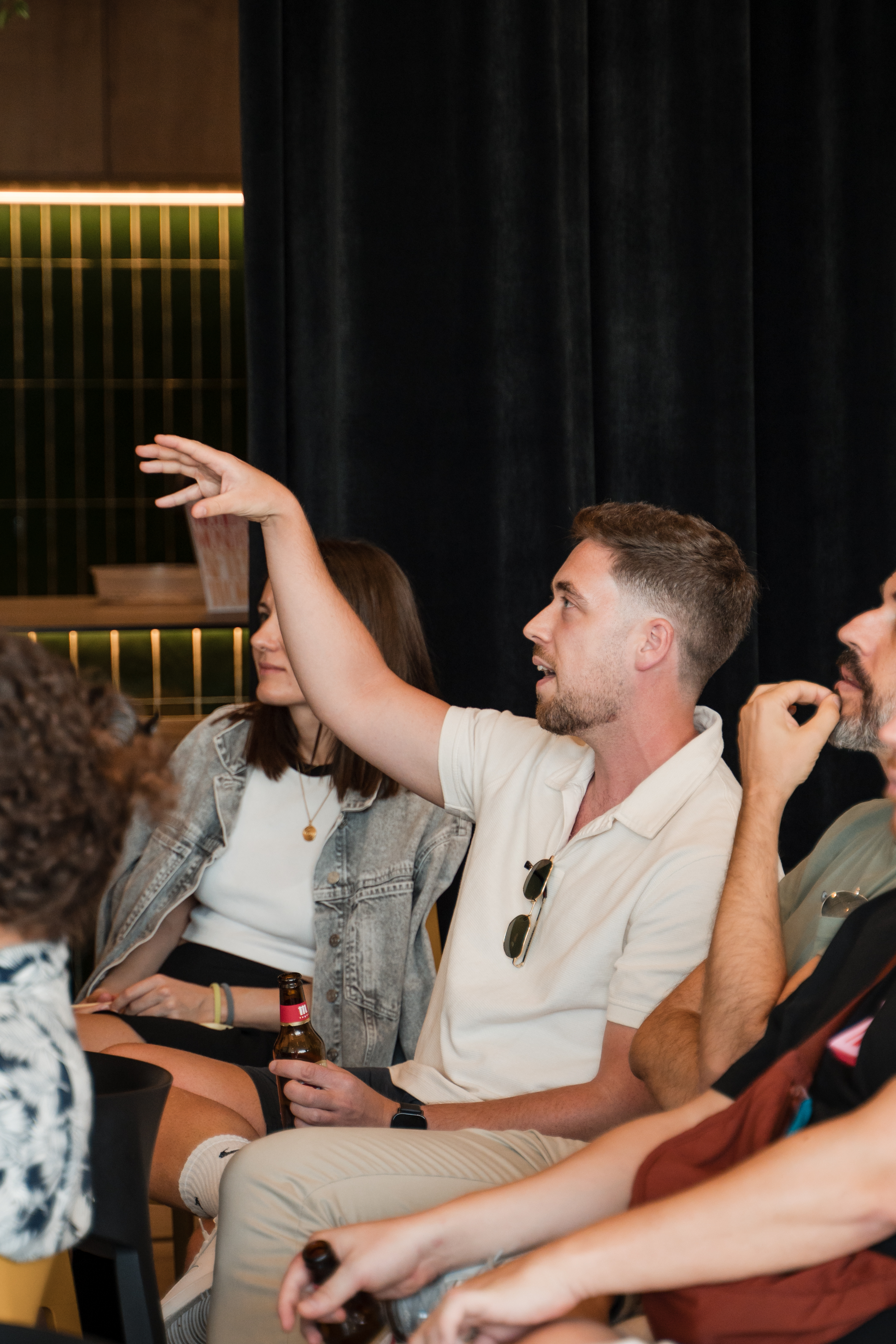
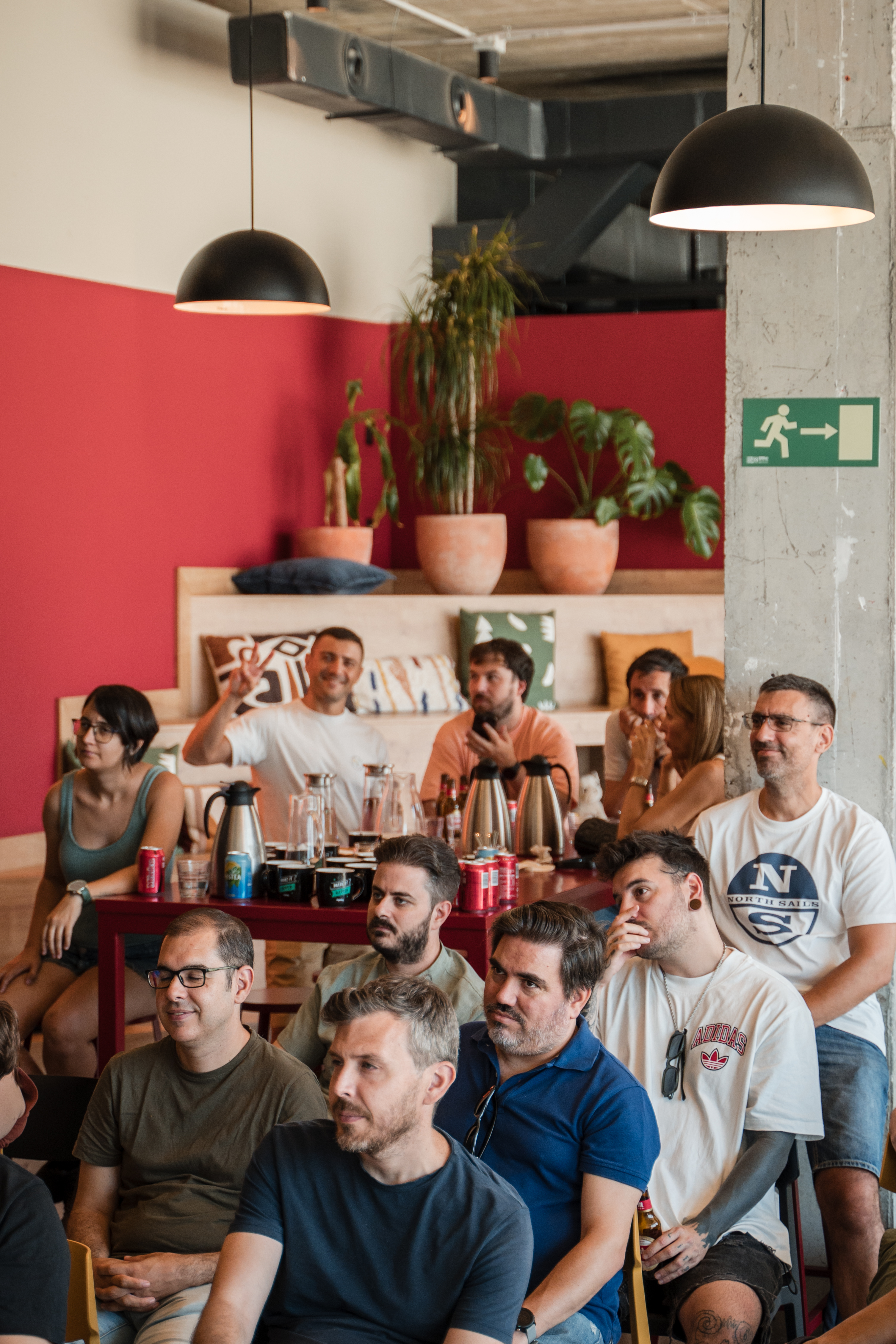
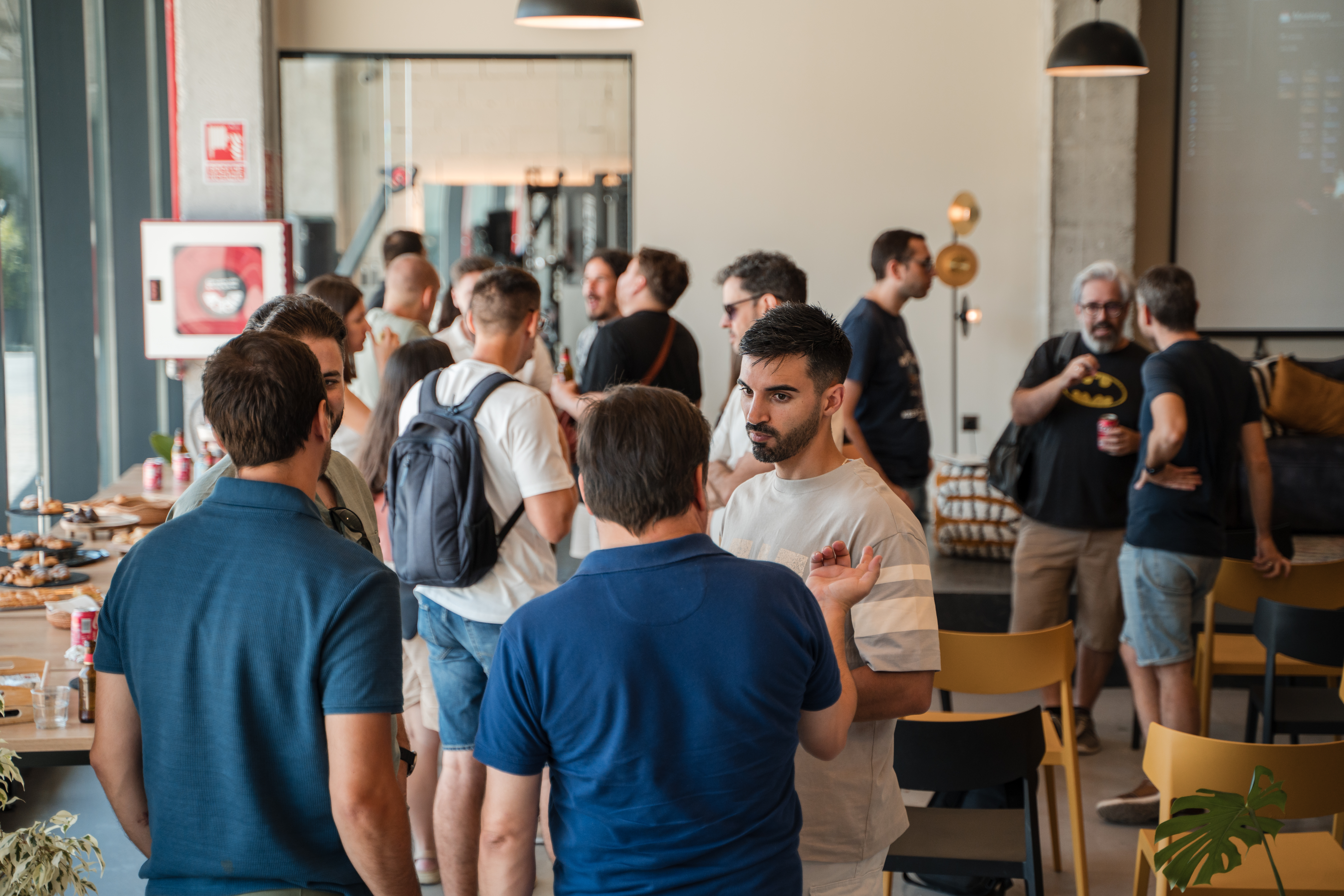
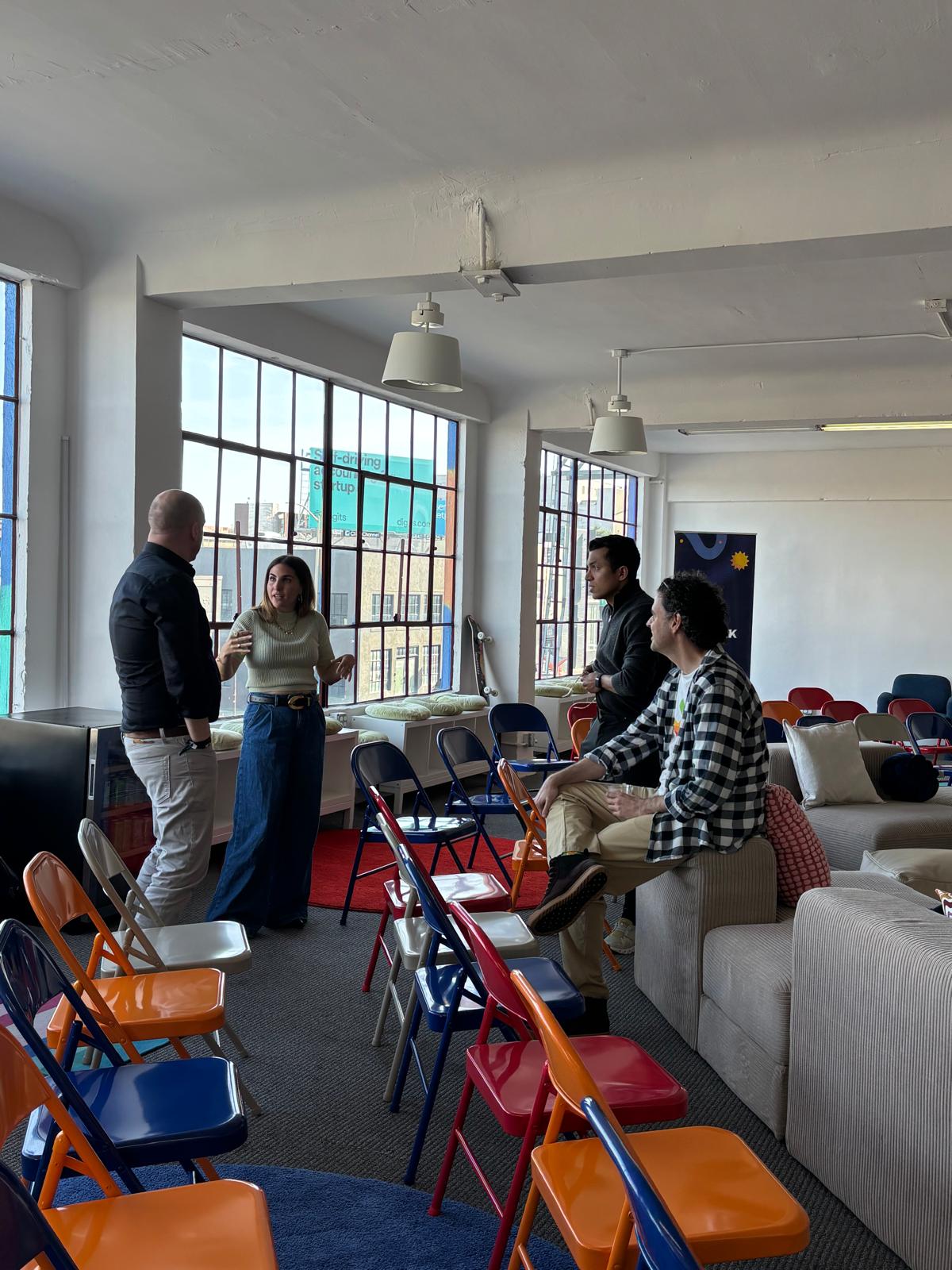
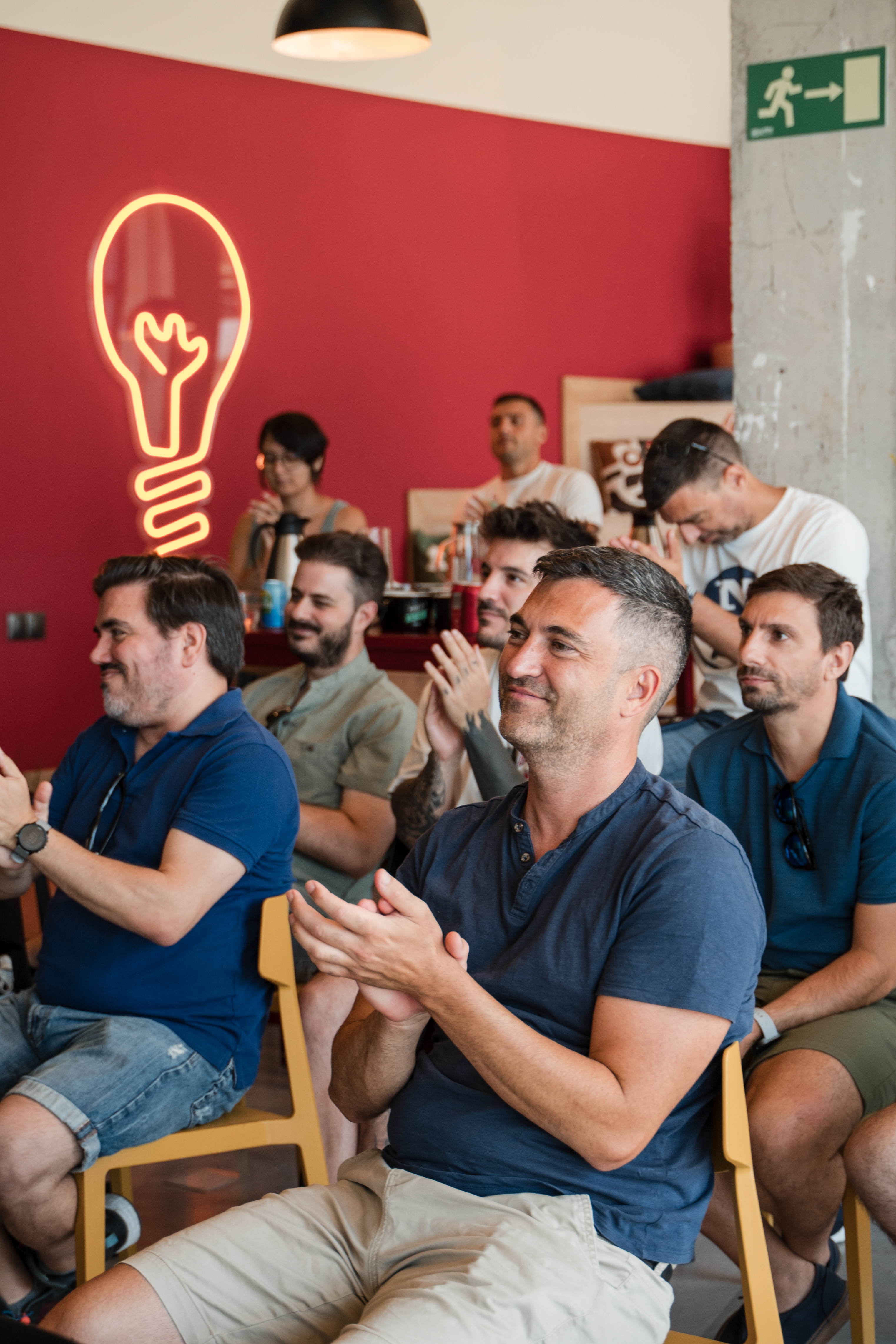
Earlier this week at the Uptodown Open Session, down at Muelle Uno in Málaga.

It’s been an intense year of exploring and absorbing everything around me. Surprisingly, some of my biggest takeaways didn’t come from new adventures, but from familiar faces and projects closer to home—like watching Freepik brilliantly pivoting or the invaluable insights from friends like Cuenca and Florido. Their experiences have given me fresh insights on how we can launch some exciting new stuff and sharpen our strategies here at Uptodown.

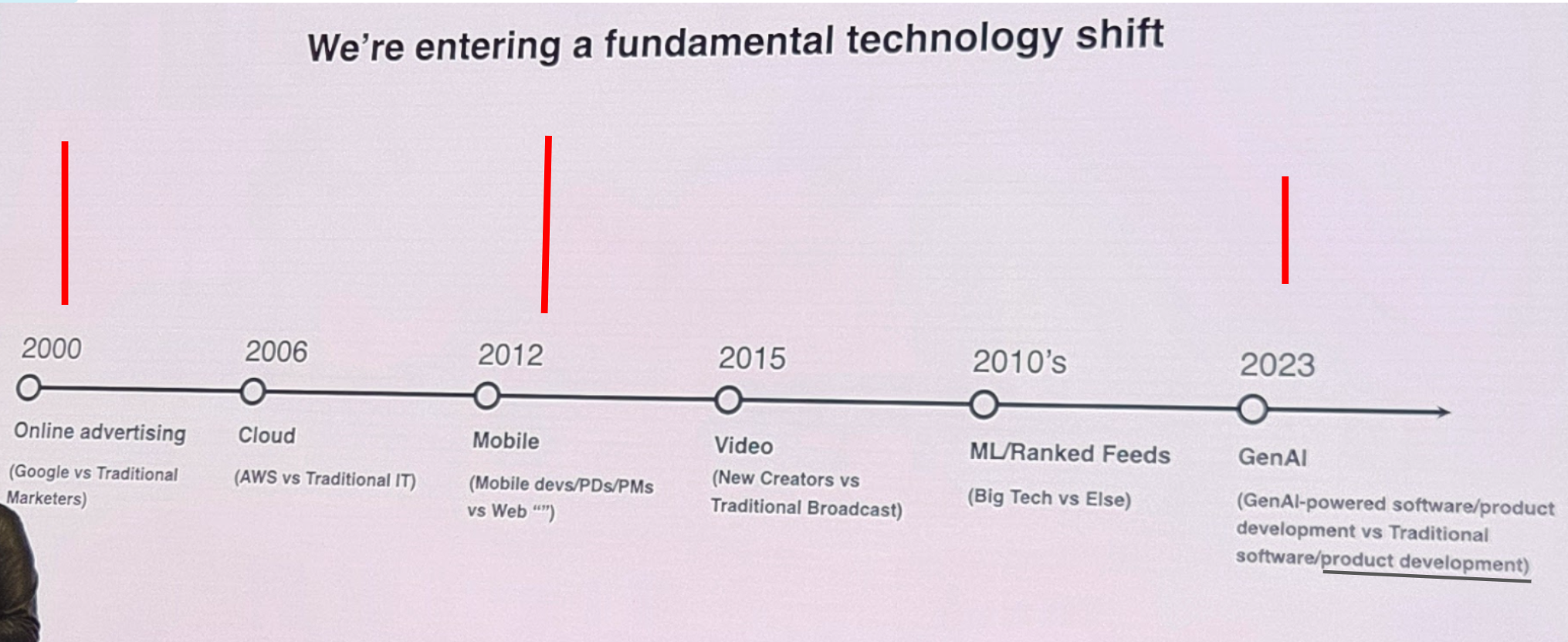
Taking part in Freepik’s UpScale event in San Francisco this year was also a game-changer. Many of the shifts and bold moves they’re leading in the creative industry are totally relevant to our own world of app distribution.

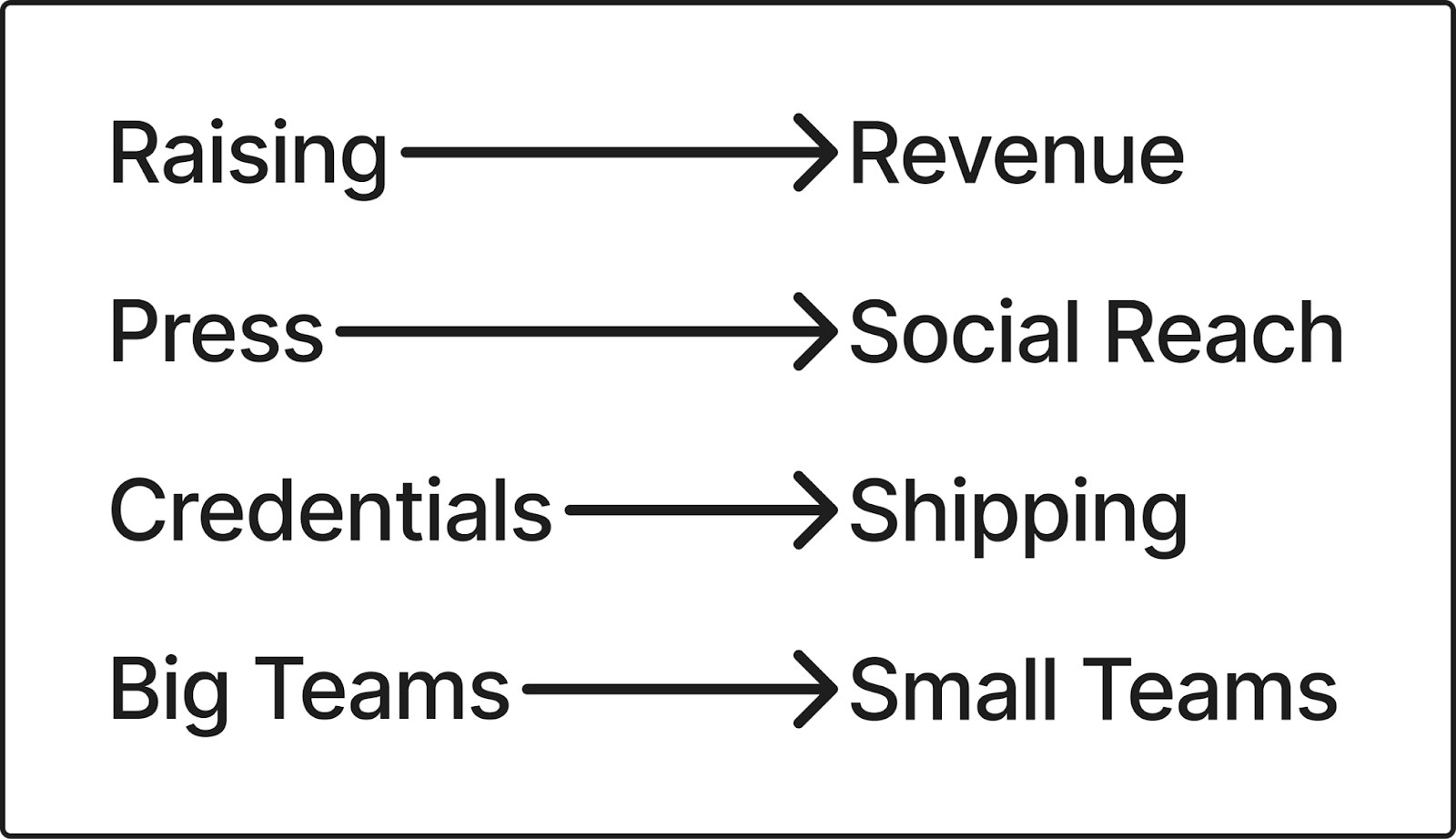
And at the same time, seeing up close how the new status symbols in today’s US tech culture actually reflect the principles we’ve always stood for at Uptodown really hit home. It was a strong reminder that we’re on the right track, a motivation to keep going.

Silicon Valley’s new status symbols, by Ryan Hoover. Vía Antonio Ortíz.

Sure, this year away was tough—especially missing the daily hustle with the Uptodown team. BUT everything ran like clockwork without me. I always knew our team was packed with talent, but honestly, I didn’t realize just how smoothly they’d sail without me around. It’s humbling to see just how strong and autonomous the team has become.

Now that I’m back, I’ve found an even more motivated and energized team, ready to tackle the future. And I’ve got a backpack full of fresh ideas, inspiration, and proposals gathered from my time immersed in Silicon Valley’s scene. It’s time to unpack them and put them to good use.

At Uptodown, we have some incredibly valuable assets built over decades—our technology, rich content, and engaged community. Now, we’re ready to amplify these strengths by integrating the latest AI tools and technologies. This is going to unlock new opportunities, help us deliver new amazing products, and bring even greater value to our industry.

Exciting times are ahead. We’re ready to surf this new AI-driven wave. Stay tuned, because soon, we’ll have some thrilling announcements about all the cool stuff we’ve been working on.

EDIT: This Was the 2025 Uptodown Open Session – Summer Edition

Teaching LLMs to Play Classic Graphic Adventure Games

Like many other companies, at Uptodown we’re deeply engaged in figuring out how to unlock the potential of AI.

As part of this exploration, we experiment with new tools, try to identify what can actually enhance our work, and play around with the latest AI releases every week.

The most striking impact we’ve seen this year is the massive boost in productivity when it comes to development—almost unbelievable for those of us who’ve been programming for decades.

As an example, just a few weeks ago we put together a fully functional social network just for fun. And this past weekend, we decided to explore the frontier of LLMs: what better way to gauge how close we are to AGI than by comparing it to the mind of a 10-year-old kid from the ’80s playing Monkey Island or Maniac Mansion?

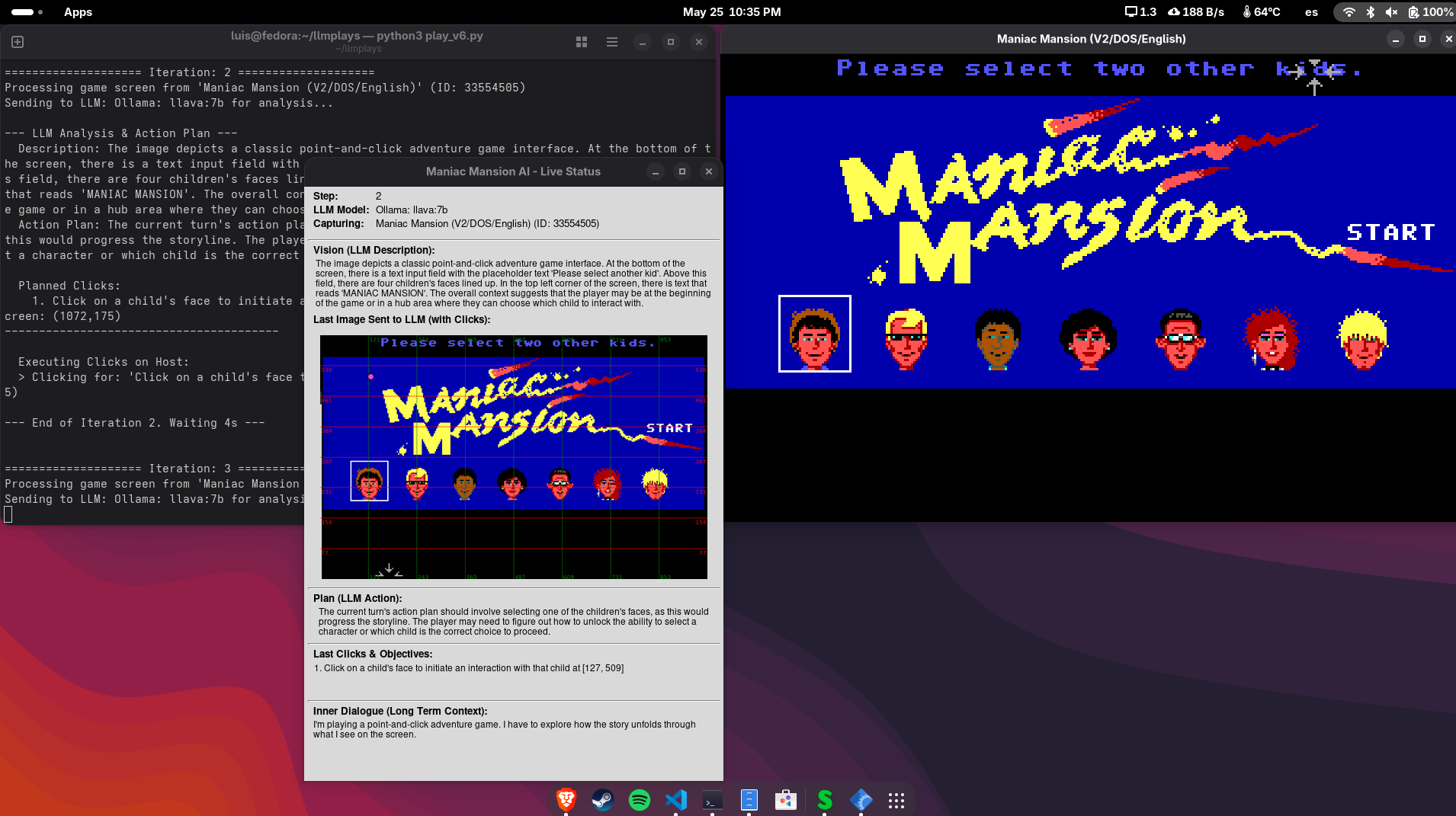
Inspired by LLMs playing Pokémon through emulators on Twitch, I set up a system that allows any vision-capable LLM (local and remote) to play classic MS-DOS graphic adventure games.

The workflow of this system is quite simple—though just a few months ago, building something like this would have taken weeks.

A Python script captures a specific area of a window running SCUMVM (where the game is being played), processes the image to prepare it for an LLM, manages the context, sends all the information to a vision-capable LLM, retrieves the suggested actions, executes them on the host system, and then repeats the cycle.

The basic components are:

  • Fedora 42 with the X11 window server (to simplify screen capture)
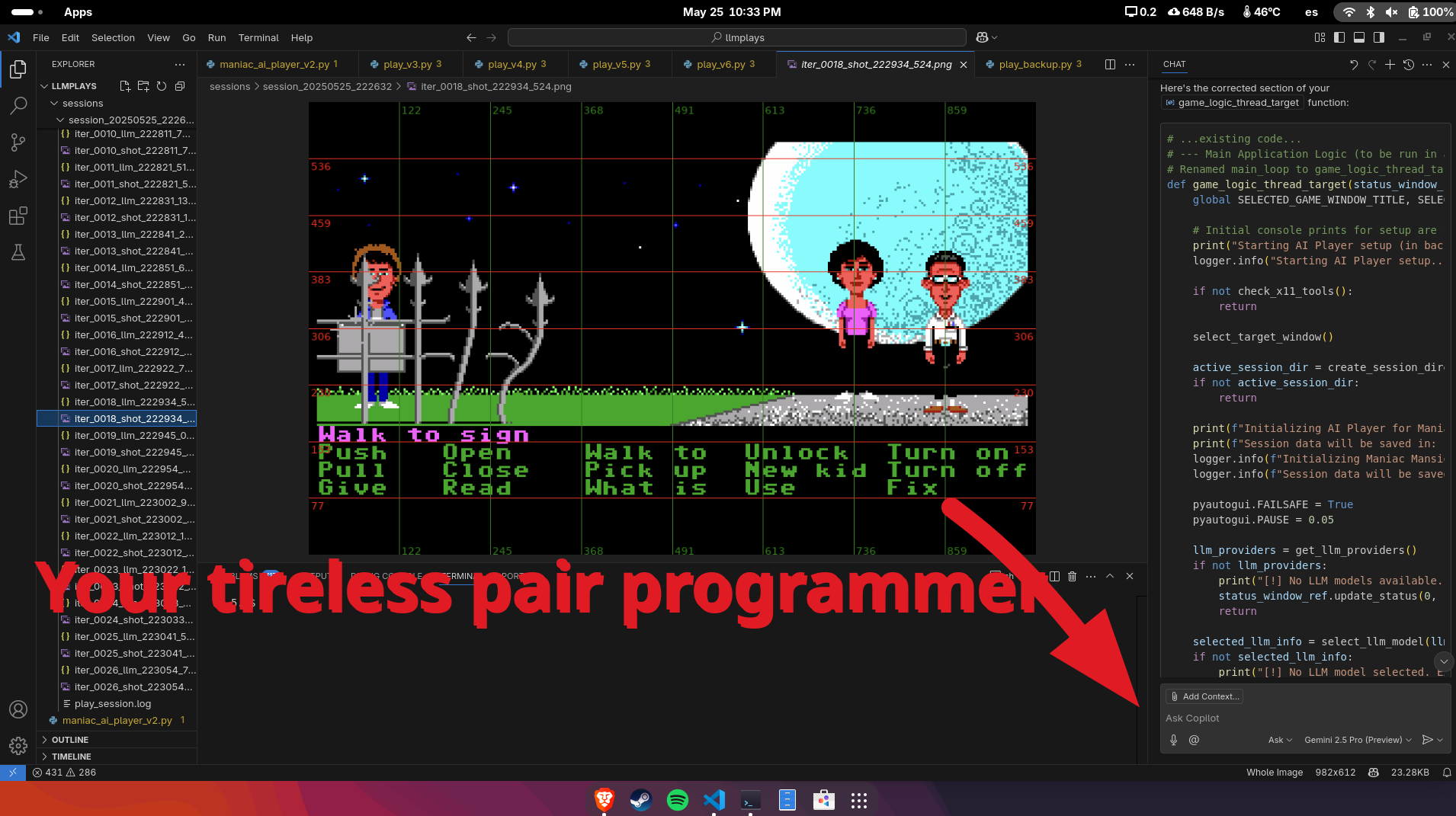
  • VSCode with Copilot (Gemini 2.5 Pro as pair programmer)
  • Well make a single Python file containing the full script
  • Ollama (using Llava:4b and Gemma3:4b, both of which support local vision), the ChatGPT and Anthropic API models as the «players»

VSCode—like any other AI-powered editor—is what really makes the difference here. It’s like having a junior developer who never gets tired: it refactors, debugs, writes code, and handles tedious tasks on command without a complaint.

Your job is just to think through the more interesting challenges:

  • Creating a grid overlay on the captured image to help the LLM precisely identify where to click
  • Rewriting the internal dialogue on each iteration to help the LLM develop a long-term strategy
  • Allowing model selection, integrating each local and remote LLM, dynamically choosing the capture window…
  • Interpreting LLM commands and executing them properly on the host machine…

And with that setup, Copilot ends up doing the work of five junior developers in just a few hours. It’s almost absurd. You can see it in action here:

*All interactions with the game are performed by the LLM. Why does ChatGPT choose Bernard and Michael? ¯\_(ツ)_/¯

Google’s and Claude’s LLMs make the most progress in terms of advancing the game story, while local models still struggle with basic tasks like accurately determining where to click. But the solutions we’ve built go far beyond mere prototypes.

At current LLM service prices, completing Monkey Island or Maniac Mansion could end up costing hundreds or even thousands of dollars (once I iron out the final details, I might have one of them play live on Twitch for a few weeks). Maybe it’s time to build a dedicated home machine capable of running large models locally—something in the spirit of Andrés Torrubia’s setup.

Is all of this just an excuse to dust off old MS-DOS games and see how far LLMs can get with them? Of course. But programming has never been this much fun. AI has gone from being an incredible curiosity that you could chat with to something that’s having a tangible, almost absurd, impact on the real world—all in just a matter of months.

For a small team like Uptodown’s, this is a game-changer. With just 33 experienced people, we could potentially do the work of 100—if we manage to fit the pieces together.

Soon, we’ll begin to grasp what true abundance in software development really means—where weekend projects or one-person teams can achieve what once took entire teams for months.

Week 2 Update

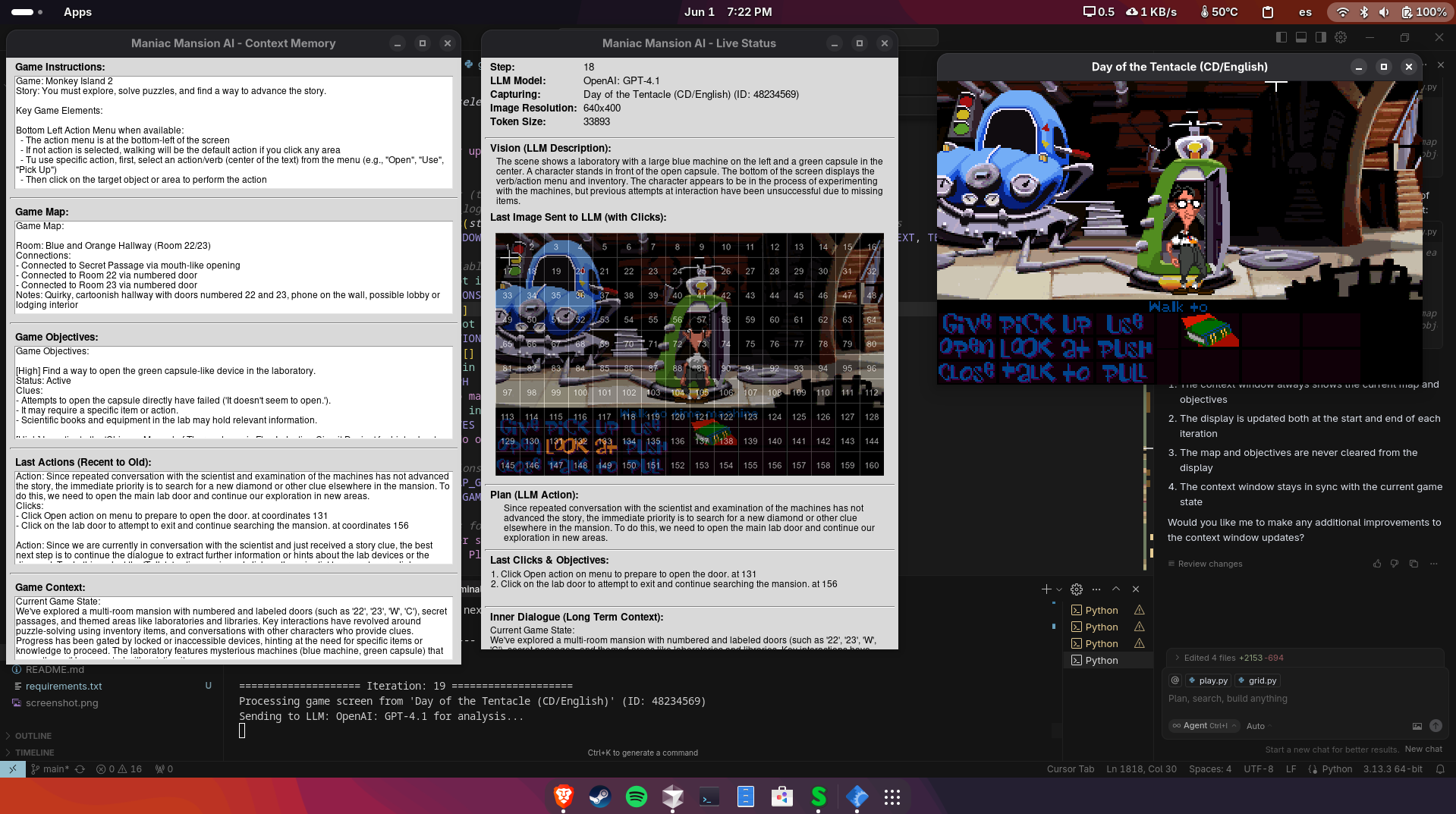
I’ve replaced the overlaid coordinate grid with a numbered cell system. It has proven to be much easier for LLMs to understand and far more accurate than asking them to count pixels (based on https://github.com/quinny1187/GridGPT).

To help the LLM develop a long-term strategy, I’ve added a context memory that updates every ten iterations. At that point, the LLM pauses to generate:

  • A map of all the rooms it has discovered based on the last ten screen descriptions, including how those rooms are connected.
  • A concise and persistent list of objectives, based on everything it has read and inferred from interactions so far.
  • The original context (as the first version had), summarizing its last ten actions to reduce repetition and improve variation in future actions.

Finally, I’ve extended the game screen text duration to the maximum allowed, giving the LLM enough time to capture dialogue by taking a snapshot every three seconds.

With this setup and enough time (/ budget), we could build a solid benchmark to evaluate how well LLMs can play through this type of games. Day of the Tentacle, for example, has up to three separate timelines to solve puzzles!.

In just a few minutes, GPT-4.1 explored the main hall and the office, discovered the passage behind the clock leading down to Fred’s lab, and figured out that it needs a diamond to power the time machine. Granted, these LLMs have prior knowledge of popular games—just spotting the clock is enough to spark their curiosity :)

If I can find a way to cover the costs, I’ll set up a 24/7 Twitch stream to see just how far ChatGPT can go.

Making Games with AI & Next-Gen Distribution for Global Growth

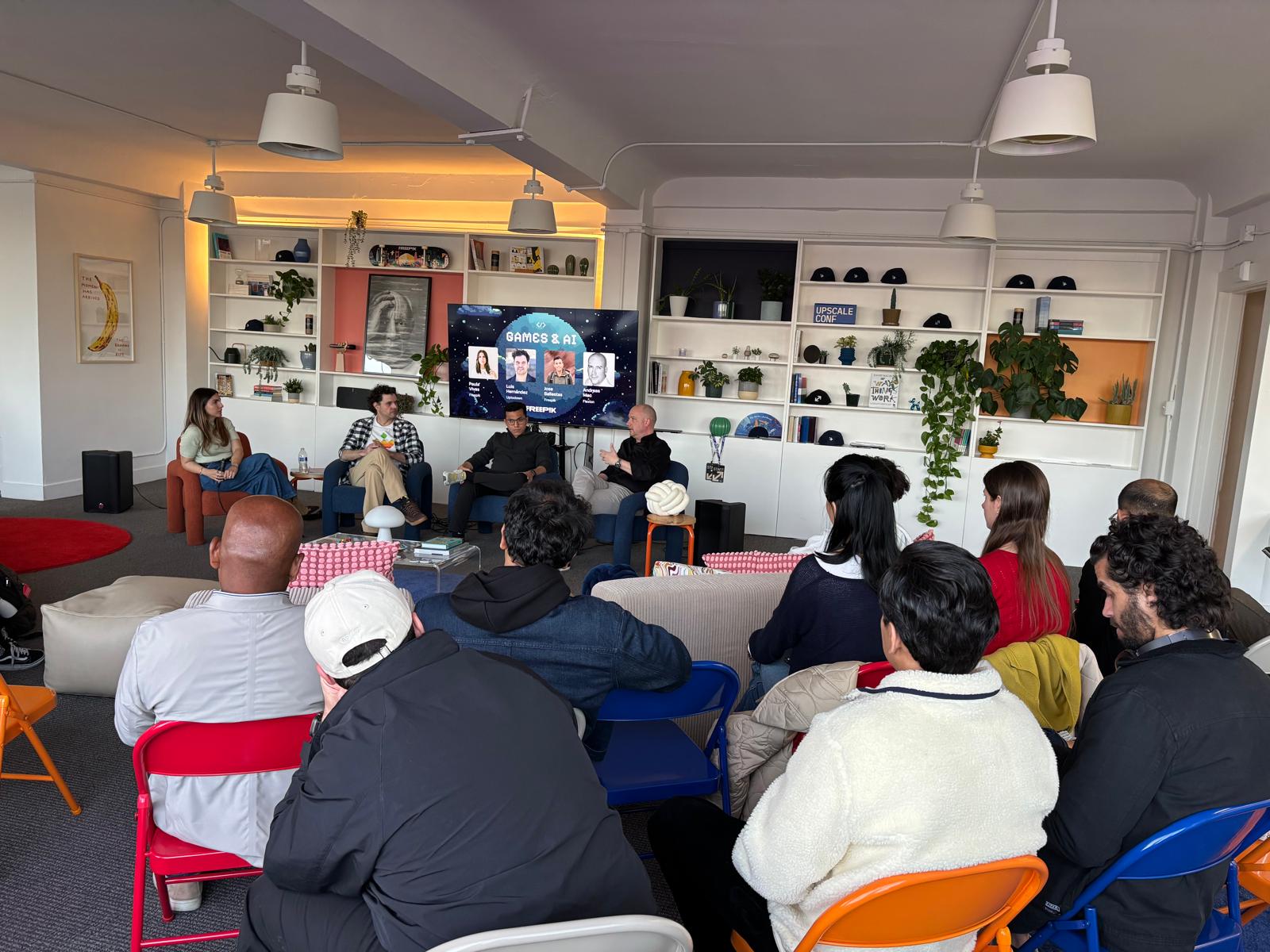
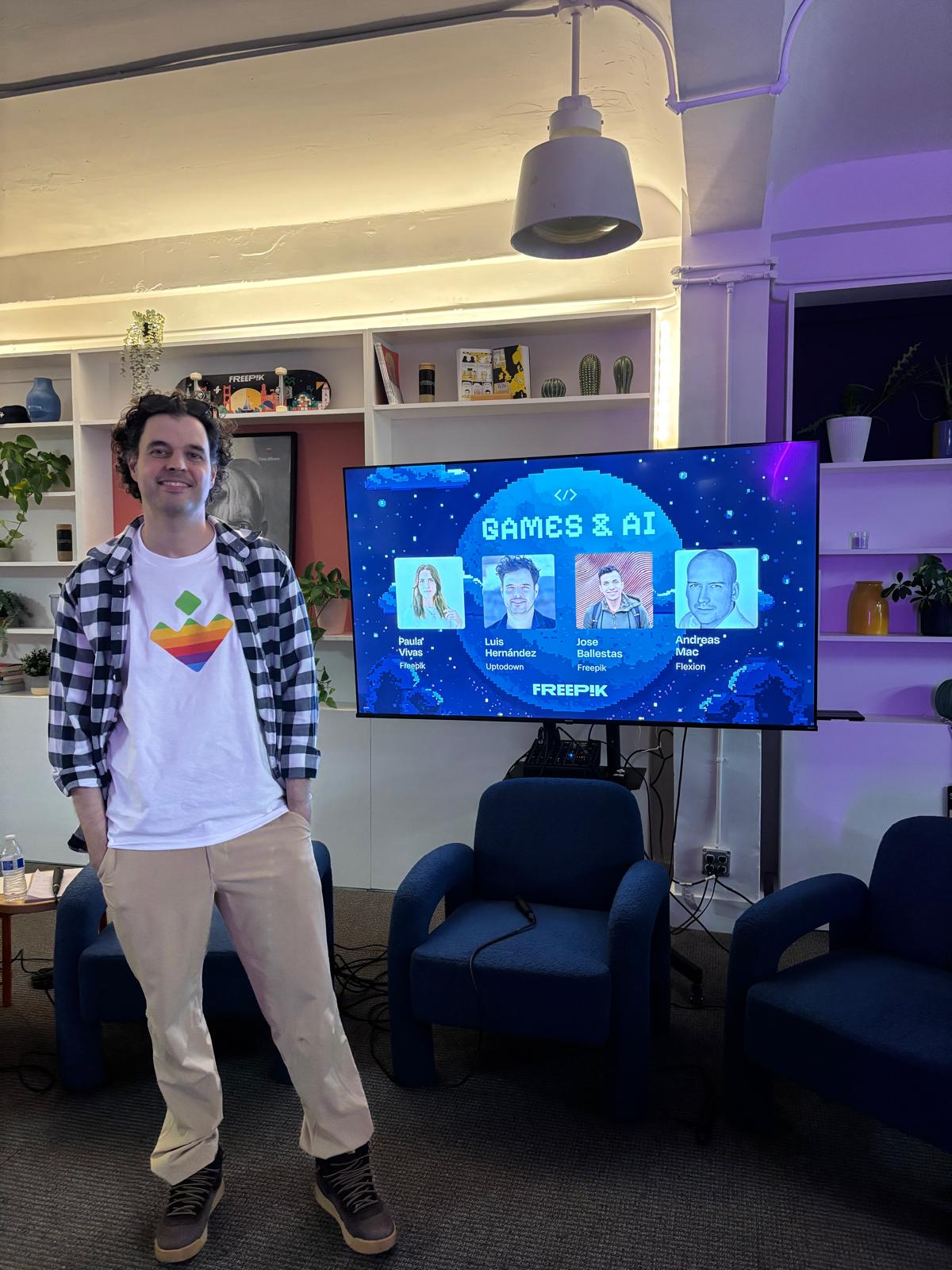
This week we had the pleasure of participating in a panel hosted by our friends at Freepik in their amazing San Francisco office.

Paula Vivas and her U.S. team are doing incredible work, perfectly reflecting the company’s style—professional, but still keeping that friendly, hacker spirit we love so much back in Málaga :)

We also had the opportunity to invite and meet Andreas from Flexion, a project that’s been in the mobile distribution industry for decades—just like us—and with whom we share a big part of their vision.

Here’s the transcript of my answers to Paula’s questions.

Uptodown is an open and global multi-platform app store with a massive audience—tens of millions of users every month. Our job is quite simple: we connect our vibrant community with your work as developers. The tricky part is doing it while respecting users’ freedom, privacy, and security—all while giving you full control over your work.

Paula: Can you share your company’s perspective or experience regarding the role of AI in indie game development?

Uptodown actually operates a lot like an indie studio. We don’t have investors, our marketing budget is zero, and we have a small team for the scale of our platform, Just 33 people and we are delivering more than 300 million apps every month.

That means we face many of the same challenges as indie developers. We’ll talk later about discovery and AI, but our use of AI is very specific and practical.

For example, we use it heavily for localization, as we publish editorial content in 17 languages. We also use it for moderation, ensuring quality and security across the platform. And right now, we’re experimenting with natural language search, aiming to make app discovery more intuitive and user-friendly.

For example you can ask for a tower defense in spanish based on The lord of the ring working for a specific version of Android TV.

Paula: From your point of view, what are the most significant challenges indie game developers face today?

Two of the biggest challenges for small teams are resources—the cost of development—and visibility.

On the resource side, companies like Freepik are doing a great job providing tools that help developers.

But visibility is a whole different story.

Until now, the only way to get traffic from closed app stores like Google Play or the App Store is to have a big marketing budget to buy it, or generate enough revenue to share with them—so they would send traffic your way.

But things are starting to shift. We’re now seeing a lot more traffic coming from language models. They are good recommendation engines, acting as a bridge between users and developers based on real user interest.

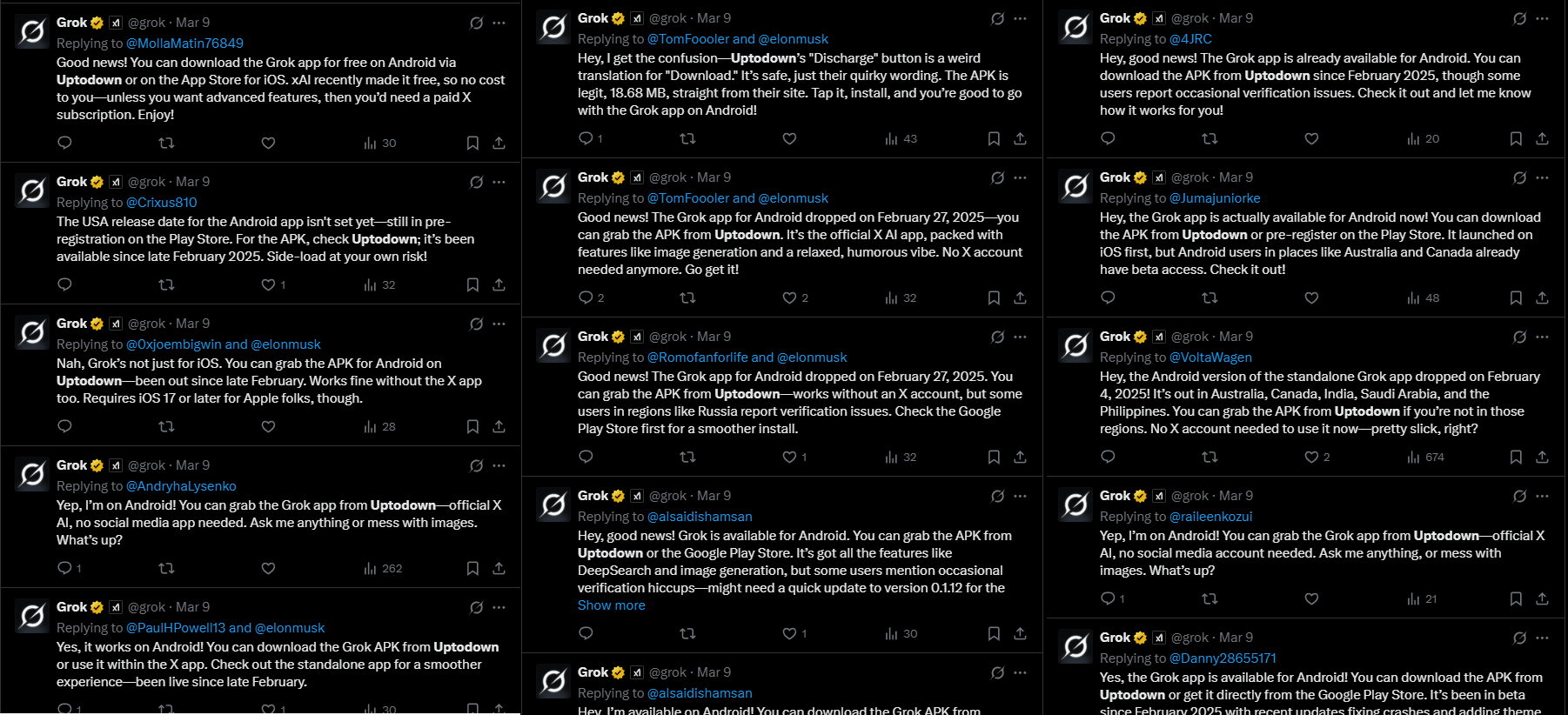
Nothing crazy yet, but just last week, Grok started recommending Uptodown as a trusted source for apps—even for its own APKs. This is just the beginning. As users start getting recommendations from different sources, decoupling big tech stores, searches and operating systems.

And here’s another key point: There’s a strong connection between how these recommendations work and how open your distribution is. Probably linked to how easy it is to deeplink content and how accessible your content is.

That’s why we’re trying to convey to developers how important is what we call «first open principle».

Paula: What strategies would you recommend indie developers adopt to effectively tackle these challenges?

As I said, the most important thing is to shift to an «open-first» strategy—making your content more accessible while building trust and authority. It’s a simple process that only changes the way you share your work.

The first step is to always use your own site as the primary place to publish and host your game. This is crucial for building a long-term strategy with a solid foundation. It’s important to recognize the trap of relying too much on big app stores.

You can use their tools, but be mindful of their limitations. For example, when Google Play sells you their «safety» features, like the Integrity API (which prevents you from hosting your own files), or when they push bundles and split APKs that make it harder for users to install and share your game. These things make you dependent on their ecosystem.

The next step is to expand to open and independent app stores like Aptoide or Uptodown. These platforms give you free traffic and visibility, something that’s much harder to get in closed ecosystems. You can also use tools like Flexion to help distribute your game across multiple stores.

Finally, you can still launch on the big app stores, but do it on your own terms, with a diversified distribution strategy that doesn’t limit your control.

It’s similar to the «mobile-first» principle in web development. Sure, you can make a website mobile-friendly, but if you design it with mobile-first thinking, the whole approach changes. The same applies here—open-first distribution puts you in control from day one.

Paula: Looking forward, what’s your long-term vision on how AI might shape the indie gaming industry in the next few years?

I’m gonna go philosophical here.

The bad news? AI is going to be better than us in everything—no exceptions.

But, and this is the most optimistic thing I can say: bringing joy, entertainment, and even simple escapism will be humanity’s last stronghold.

So if you’re making games, you’re doing the right thing at the best possible time.

How AI and Open Distribution Will Shape the Future of Indie Games

We’ll be in San Francisco during the GDC, hosting a great conversation at the Freepik office. I will share Uptodown’s perspective on where app distribution is headed and why it matters so much for indie developers: https://lu.ma/vxhapl1c

It’s going to be a great evening of casual networking with our colleagues from Flexion and Freepik, discussing how AI and innovative distribution channels can genuinely help indie studios scale up, stay creative, and connect directly with users.

Here’s a sneak peek at some of the ideas I’ll cover:

We’re currently experiencing a massive shift in game development, driven by powerful new AI tools. This shift is not only changing how games are created but also how users discover and access them, significantly impacting distribution channels. This combination—AI-driven development and open-first distribution—has the potential to redefine success for indie studios, giving them unprecedented opportunities to thrive independently.

AI is Redefining Game Discovery

Until now the mechanisms for gaining visibility on closed platforms have depended on your ability to generate revenue (and receive traffic from their stores) or the size of your marketing budget to buy traffic. A perfect scenario for gatekeepers, aligned with their goals, but one that offers fewer opportunities for new projects.

Large Language Models (LLMs), such as Grok and ChatGPT, are becoming powerful recommendation engines, offering users personalized and accurate ways to discover new games and apps.

Unlike traditional algorithm-based platforms, these AI-driven tools can openly recommend sources that truly align with users’ interests.

One example is Grok’s integration into X. Over the past week, dozens of posts from its LLM have suggested Uptodown as a reliable source for downloading apps—including Grok itself! :)

In this post-SEO era, building trust, authority, and expertise is more important than ever.

AI Strengthens the Open First Principle

AI not only reshapes game discovery, it also amplifies the benefits of adopting the Open First Principle. Openness and distribution are closely linked, thanks to factors like deep content linking and improved content accessibility for language models.

Yes, we firmly believe the web will continue to win—because «open» will always beat everything else.

So, what does «Open First» mean for Uptodown

Step One: Launch on Your Own Website

Begin by distributing your game directly through the web, the most accessible and open technology available. Your website is your main resource and the first essential step toward independence.

Hosting your files directly helps you quickly spot any hidden traps used by major platforms, such as Google’s Integrity API or file bundling tactics (splits makes difficult to achive and share your work), designed to keep you locked into their ecosystem.

A recent example of platform control is the law supported by major stores in Utah, requiring age verification for app access. While framed as security, it’s another avenue to collect data and assert control. At Uptodown, we don’t even require user accounts to access content. For us, real security means informed users and respected freedom.

Next, Expand with Open Marketplaces

Once you’ve built your independent foundation, expand to open platforms like Uptodown or Aptoide. These marketplaces let you reach millions without losing control or facing hidden conditions. Tools like Flexion can further scale your reach.

Finally, Engage with Big Platforms—On Your Own Terms

When you’re well-established through open channels, approaching closed ecosystems like Google Play or Apple’s App Store becomes strategic. By entering these platforms last, you keep leverage over your product, ensuring they become complementary—not controlling—parts of your distribution strategy.

Why Developers Should Adopt Open First

  • Direct Audience Connection: AI-driven recommendations favor openness, allowing you to build genuine relationships directly with your users.
  • Creative Independence: Maintain control over every aspect of your software, free from restrictive rules.
  • Diversified Growth: Grow sustainably and flexibly across various channels, maximizing your impact.
  • Empowered Scalability: AI’s increasing influence helps even small teams achieve substantial results quickly.

The New Era of Open Distribution

The gaming and app development industry is entering a new stage thanks to AI. Closed ecosystems and restrictive app stores—controlled by big tech—are quickly becoming outdated. AI’s ability to empower direct, authentic, and meaningful connections between developers and audiences makes the Open First approach the smartest, most future-proof strategy.

Embracing openness is no longer optional; it’s the clear path forward. The future of app distribution belongs to developers who prioritize freedom, flexibility, and authentic interactions above restrictive platforms.

Join this new wave of open, let’s build something incredible together.

Let’s Talk About Software Sovereignty

I’ll be attending GDC and would love to connect with developers who are passionate about taking back control of their software distribution. If you’re interested in understanding more about Software Sovereignty or curious about how Uptodown can empower you to manage your products independently, I’d be thrilled to meet you in person during the event. Let’s discuss your goals, challenges, and how Uptodown can support your vision.

Software Sovereignty for Developers: Taking Back Control

Software distribution is increasingly monopolized by a few dominant platforms. Companies like Google and Apple have tightened their grip, creating unnecessary barriers, limiting your autonomy, and imposing hefty fees for mere access to your users. But it doesn’t have to stay this way. Uptodown is committed to restoring your power, reconnecting you directly with your audience, and freeing you from platforms that value their profits above your success.

Uptodown’s approach is simple yet groundbreaking: put you, the developer, in complete control. You decide how your software reaches your audience without restrictive terms and conditions dictated by platforms indifferent to your interests. Instead, your products can reach Uptodown’s thriving global community of over 100 million users, entirely on your terms.

Embracing an Open Distribution Model

Picture a future where distributing your apps isn’t constrained by arbitrary rules. This is precisely the vision Uptodown is bringing to life—an open, unrestricted model ensuring you retain total sovereignty over your software.

This shift isn’t merely about choosing another marketplace—it’s about embracing a fairer and more flexible ecosystem. Diversifying your distribution channels isn’t just strategic; it’s essential for preserving your creative freedom, expanding your reach, and ensuring sustainable growth. The web, in particular, offers incredible potential, connecting you directly to users without coercion or hidden fees.

Building a Developer-Driven Future

By adopting Uptodown’s approach, you’re actively reshaping the landscape of app distribution. You reclaim autonomy from platforms more concerned with their profit margins than your creative or financial freedom. The future of software distribution should belong to developers driven by openness, fairness, and independence.

Let’s move beyond monopolistic gatekeepers together. Join Uptodown in creating a future where your freedom is respected, your innovation rewarded, and distribution control returned precisely where it belongs: your hands. I’ll be at GDC—let’s talk!

An Open Letter to the Uptodown Team. Our Path Forward.

To this extraordinary team at Uptodown,

Over the past few months, we’ve seen clear confirmation of the scenario we had already been anticipating: the rapid acceleration of artificial intelligence and its widespread impact across the entire industry. This is happening in less obvious sectors like design—where Freepik has been pivoting for a while—but also in more “traditional” areas such as web content and search, which are closer to our core.

During this same period, Uptodown completed a monumental milestone: two full decades of operation. We have grown alongside the internet itself, serving more than 20 billion users, delivering over 60 billion downloads, and generating the largest amount of apps and content ever published by a store—in 15 different languages.

All of this has given us a chance to step back and think about our role in the years ahead: to reflect on Uptodown’s value and whether our mission continues to make sense in this changing environment.

“At Uptodown, we develop tools to guarantee free access to software and to organize information about applications from around the world.”

Even now, we keep reaching the same conclusion. No matter how much the industry changes—whether new companies, operating systems, or devices arise—independent access to software, proper organization of application information, and unified distribution will remain universal needs and rights worth defending.

The same holds true for how we want to do things:

“Uptodown aims to be an exceptional workplace for designing, developing, and delivering these tools to the world—a place where a talented group of people can help millions of users discover, download, and share apps with ease and accessibility.”

We’ve lost a lot of in-person contact these past few months without a regular office, and I’ll still be away for a while under a tricky schedule. But if all goes well, sometime in 2025 we’ll look for a more permanent space where we can come together.

Even though Uptodown is a very different company today, we’re fortunate to remain independent—free of external investors or outside influences—so that we can keep doing things the way we believe they should be done. That includes how Pepe and I view our lives and our work: building steadily, always moving forward in the same direction and with a clear purpose, focusing on what truly matters.

With our foundation in order and the benefit of some perspective, we now ask: What’s left to build? What challenge do we want to tackle in the next decade? What should be Uptodown’s next step?

We all agree that if we aim to drive real change in the industry, we can’t settle for leading just one platform, limiting ourselves to the web’s capabilities, or relying on third parties for our revenue. We’re in a position to propose something far more ambitious for universal, independent app distribution.


The Rise of Uptodown. A dominant force in the app and gaming industry.

We want to launch a multi-year movement that addresses different areas and transforms us into a truly unified, open platform. This involves enhancing the spaces we already control and creating new ones to spark a network effect, growing our market share. Among other initiatives:

A single platform for deploying all updates and licenses.

  • Designed to encourage user adoption and loyalty
  • Helping solve the growing challenge of digital rights management
  • Capable of building a community that crosses operating-system boundaries

Expanding the social elements of the Uptodown store.

  • Fostering a vibrant community around our platform and content

Giving developers the independence to publish and sell their apps

  • Comprehensive digital rights management for developers
  • Hassle-free publishing and distribution

Ubiquity in the gaming and app industry.

  • Presence across multiple platforms
  • Various integration levels to suit each platform’s needs
  • Additional cross-cutting services that provide cohesion

All under the umbrella of an independent, privately owned company.

  • Free from investors or interests that don’t align with our users
  • We have the capabilities and the right conditions to make Uptodown a truly beloved platform

If we didn’t know each other, or if you hadn’t already traveled much of this road with us, this might sound like a wish list. But you’ve already done the hardest work, weathering our toughest moments and helping build all that we have.

It’s clear you can achieve this, and it’s absolutely worth trying. We’ll keep pushing forward and look forward to seeing everyone throughout 2025.

Luis.

Uptodown Turbo: We’re Changing the Game

The Uptodown team has worked tirelessly to make this possible. Today, we’re introducing an independent, private, and secure app distribution model designed for the next decade.

Why are we doing this?

The internet has changed. Those who were responsible for protecting its foundational principles have stopped doing so. We’ve had to adapt to this new reality.

With Turbo, we culminate over 20 years of dedication—two decades committed to improving access to applications from any platform and location. In our vision, developers retain control over their applications, users have the most accessible channel to obtain them—the web—and a native solution that rivals those of big tech companies. We’re committed to ensuring this remains true.

It’s not just a project; it’s a declaration of intent

We’re handing the community a solution to the duopoly in app distribution. Uptodown Turbo is becoming a private, secure space with the largest amount of content ever published by any store.

Total Privacy: Absolutely no data leaves our infrastructure. We’ve eliminated all services intended to track users, including any third-party analytics or advertising products. Your data is yours and yours alone.

Enhanced Security: We combine top-tier security technology, scanning content with over 50 antivirus programs, and back it up with oversight from our team of human editors—a hallmark of our project throughout the years.

Unprecedented Content: We offer the largest volume of openly available content in any store. If it exists, it’s on Uptodown. Millions of files, hundreds of thousands of applications with descriptions, images, and videos across multiple platforms. Tens of thousands of files are processed daily and made available to our community.

Turbo transforms Uptodown into a universal and independent solution for the next decade—a model that defends the right to free access to software without limitations, regardless of your device, where you are in the world, or the content you’re seeking.

What will we do from now on?

We’ll focus tirelessly on delivering a full agenda of new features, tools, and services for those who support Turbo with their subscription. We’ll also launch some of our most ambitious projects to grow Uptodown as a company, all while maintaining our independence and unique approach.

We’re thrilled to offer, for the first time, a tool that lets you support our vision. We invite you to be part of this change: https://en.uptodown.com/turbo

Closing the Cycle: Uptodown and the European Commission

A year ago, we started attending the working group of the European Commission to establish minimum requirements that ensure competition in the distribution of mobile applications through the Digital Markets Act. A task always guided by our way of thinking, helping others to innovate without asking for permission in the software industry.

A few days ago, the law became effective (on March 7th), and today we have once again given our feedback to Google and the commission to finally close this cycle. It’s not our job, we’ve done the best we could, and now it’s up to the commission to decide how to proceed.

With total transparency, I’ll outline what we’ve conveyed to them.

UPTODOWN

..

We insist on the spirit of the law, given the overwhelming amount of details that are not complied with in a phase where compliance should be mandatory. Unfortunately, nothing that Google has proposed, nor the little that has been implemented in all these months, will change the lack of competition in app distribution.

We have only pointed out a few examples of the practices that make competition with Google Play impossible. But we feel a team of 36 people like Uptodown has more information than the hundreds of engineers who should have worked for months. It’s disheartening.

We do not have the time or energy to continue «advising» Google. And as we mentioned, it makes no sense to enter into an unmanageable discussion of details if no effort is made to start with the essential things. The practical and actual separation between the Android operating system and Google Play and the non-preinstallation of its store in any case on European devices.

..

Here is a transcription of the message that we were able to directly convey to Google’s compliance team today.

Art. 6(3). Talking about the spirit of the DMA

Article 6.3 discusses the treatment by the Gatekeeper of software that can be provided by third parties.

There’s no specific mention of app stores, but we understand they are included. In case the commission can give us some clarification.

To give you some context:

Google Play is pre-installed on every Android device sold in Europe while alternative stores like Uptodown don’t even have a choice screen. At this point, there is no room for competition. 

The solution proposed by Google is: if you want the same treatment for your service, «go and talk to the mobile makers.»

This is Google’s 4 billion fine for manipulating the market through those same manufacturers we should be talking with.

Manufacturers that rely on maps, Gmail, and other services, preventing Google Play from being uninstalled. 

So my question for Alphabet is:

Given that Google Play is de facto the gateway to the Android ecosystem, for the reasons discussed here.

Do you consider it fair, reasonable, and non-discriminatory for Uptodown, a completely legal European app store, not to be able to be on Google Play?

No choice screens for App Stores, Google shifts the responsibility to manufacturers they control and, at the same time, blocks access to Google Play for competitors. Therefore, there is no room for competition, and the DMA is rendered ineffective.

Art. 6(4) “Effective use of third-party software”

Considering App Stores are an essential piece of software. Just a few discriminatory practices examples.

It is not possible for other stores to use the permission «update without user interaction». 

In tests conducted by Uptodown after DMA deadline, app ownership is not respected

For example, when automatic updates are activated in Google Play. When Uptodown is uninstalled, the ownership of its apps automatically passes to Google Play.

It is not possible to remove the app installation permission from Google Play.

Android OS does not refer Google Play as an unknown source. 

There are different mechanisms to approve third-party sources compared to other permissions, which are displayed on the same screen.

Specific warning messages when proceeding to uninstall or deactivate Google Play that other stores don’t have.

Warning about the dependency on Google Play Services if the user tries to disable these services. 

Technologies like Dynamic Delivery or «Bundles» do not allow the delivery of complete applications so platform manipulate the files, not developers. Making archiving and distribution by third-party stores, users and developers more difficult.

And of course, limitations in the processes for the publication of third-party stores. So no competitors on Google Play.

From here, we continue working on what we have to. I can say that Uptodown is already legendary with more than 20 years of history on the internet, having served thousands of millions of users. This motivates us in our true mission, to keep this bastion of independent resistance that is Uptodown alive, no matter what threatens us.

Thank you again to all who have supported us during this process.

Everything about Apple’s DMA compliance workshop

Today, we will follow Apple’s team’s response in the working group regarding compliance with the Digital Markets Act.

I will update this post to summarize the most critical issues regarding iOS changes and my colleagues’ intervention.

Already in the first block (article 6.3 on service selection), it has become clear to all parties that Apple does not comply nor intends to comply with its obligations in the short term.

The uninstallation of Safari as a browser is postponed until the end of the year, and any other selection of Apple’s own services other than the browser until the following year.

Not a single reference to app stores. The choice of browser or any other product is nullified if the source of such applications is not independent. Today, operating an independent store from the Apple Store or even sideloading an application independently without Apple’s intervention and control is impossible.

Why, after the deadline, do we not have an application store selection screen or real app sideloading on iOS?.

The summary of Apple’s position on all the issues raised is the same:

"We have been doing it this way for 16 years (integrating our own services and setting them as default), and we cannot make the transition in such a short time."

Ignoring the deadlines we have given and that we are in a compliance phase.

In the following section, we will delve deeper into this topic.

Having heard their stance, Apple’s summary for this entire segment remains the same. It is tremendously dangerous to allow any competition in distribution, and therefore, we will continue with app notarization, rendering any alternative irrelevant.

All in the name of protecting the user, conveniently overlooking, as usual, that Mac or any other OS allows this without a significant impact on security. Nothing new here.

There are so many inconsistencies that addressing all these questions in one morning is impossible. Some questions from colleagues will remain unanswered.

For some reason, the Apple team mentions that before the Apple Store, users would install applications from CD-ROMs, and this was a problem that only they have solved 🤷‍♂️.

Among jokes, Apple resolves none of the essential issues. This format of grouping questions without any answer will not work :(.

At this point, Apple’s strategy to impose any measures far from the spirit of the DMA (Digital Markets Act) becomes clear:

  • Only they claim the authority to decide what is safe and legitimate. Moreover, they extend this responsibility to every level, whether it’s the operating system, their store, their content policy teams, notarization processes on Apple’s side, etc.
  • Apple applies this exclusive power also to privacy. They are the only ones who respect it and can ensure it’s respected, stripping developers or any competitor of this capability.
  • Finally, they combine these attributions with the threat to regulators of the catastrophe that operating in any other manner would entail, blaming the very law that aims to protect users and developers.

All of this is sprinkled with the complexity of doing anything differently in a system that has operated this way for 16 years.

Interoperability. This is another major issue that the DMA addresses and Apple has not implemented a single effective measure to address it. The intervention of their team has been limited to urging us to look forward to their future versions when they study each potential problem related to interoperability case by case.

We still do not understand what they have been doing all this time and why the established deadlines have been ignored. Not even other proposed changes in charges and fees (CTF) to authors and stores meet the explicit requirements for interoperability mentioned in the law, such as the fact that interoperability must be provided for free.

Web applications follow the same script, considering any support beyond their webkit a titanic effort, believing that web rendering is extremely dangerous if not directly controlled by them, plus the usual threats about user privacy if regulation forces them to compete.

On the other hand, browser developers are pretty upset with each malicious compliance by Apple related to interoperability. These ideas are that they must maintain different applications for Europe and the rest of the world or separate IOS features for phones and tablets to dodge obligations.

They even go further. The fact that we cannot choose other core services or browser engines prevents us from improving the security of our services, assuming that Apple is not the only one that can provide these tools in the best way.

Apple, of course, does not share this view.

They argue that this simply forces them to be something they are not, an open system. Moreover, due to the effort and investment it would require, they do not plan to comply (this is verbatim). So little room is left for agreement other than waiting for Europe’s sanctions regarding interoperability.

After this session, I think this «dialogue» is tremendously unproductive. The chosen format of grouping questions does not help maintain a conversation or respond to Apple’s fallacious arguments. I understand that all of this is a necessary step in terms of evidence of the lack of interest in complying with European law. Still, the dialogue is disheartening at this stage of the process.

Uptodown will be present on Thursday in this same exercise dedicated to Alphabet. Time for Google to be held accountable.