Making Games with AI & Next-Gen Distribution for Global Growth

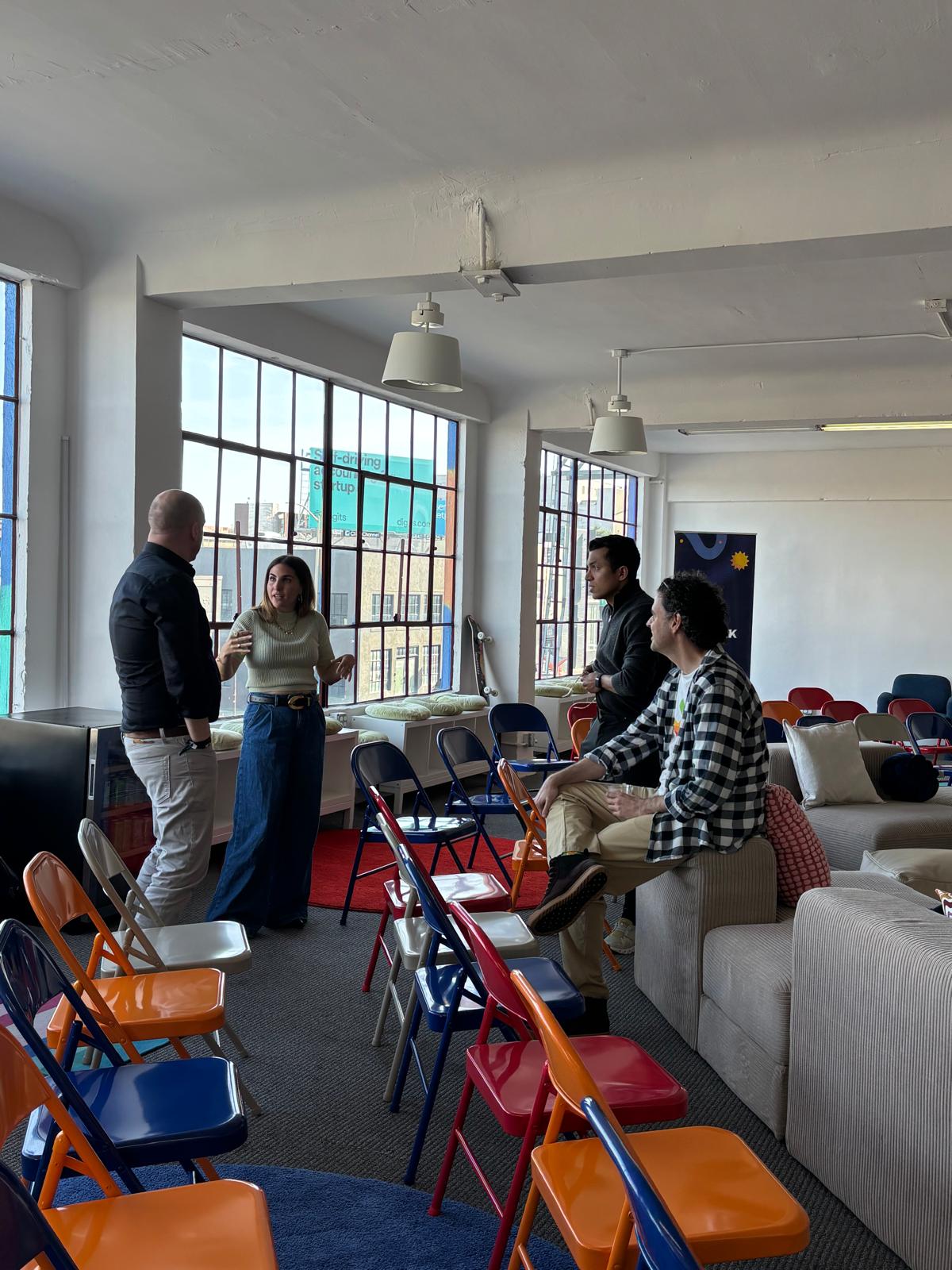
This week we had the pleasure of participating in a panel hosted by our friends at Freepik in their amazing San Francisco office.

Paula Vivas and her U.S. team are doing incredible work, perfectly reflecting the company’s style—professional, but still keeping that friendly, hacker spirit we love so much back in Málaga :)
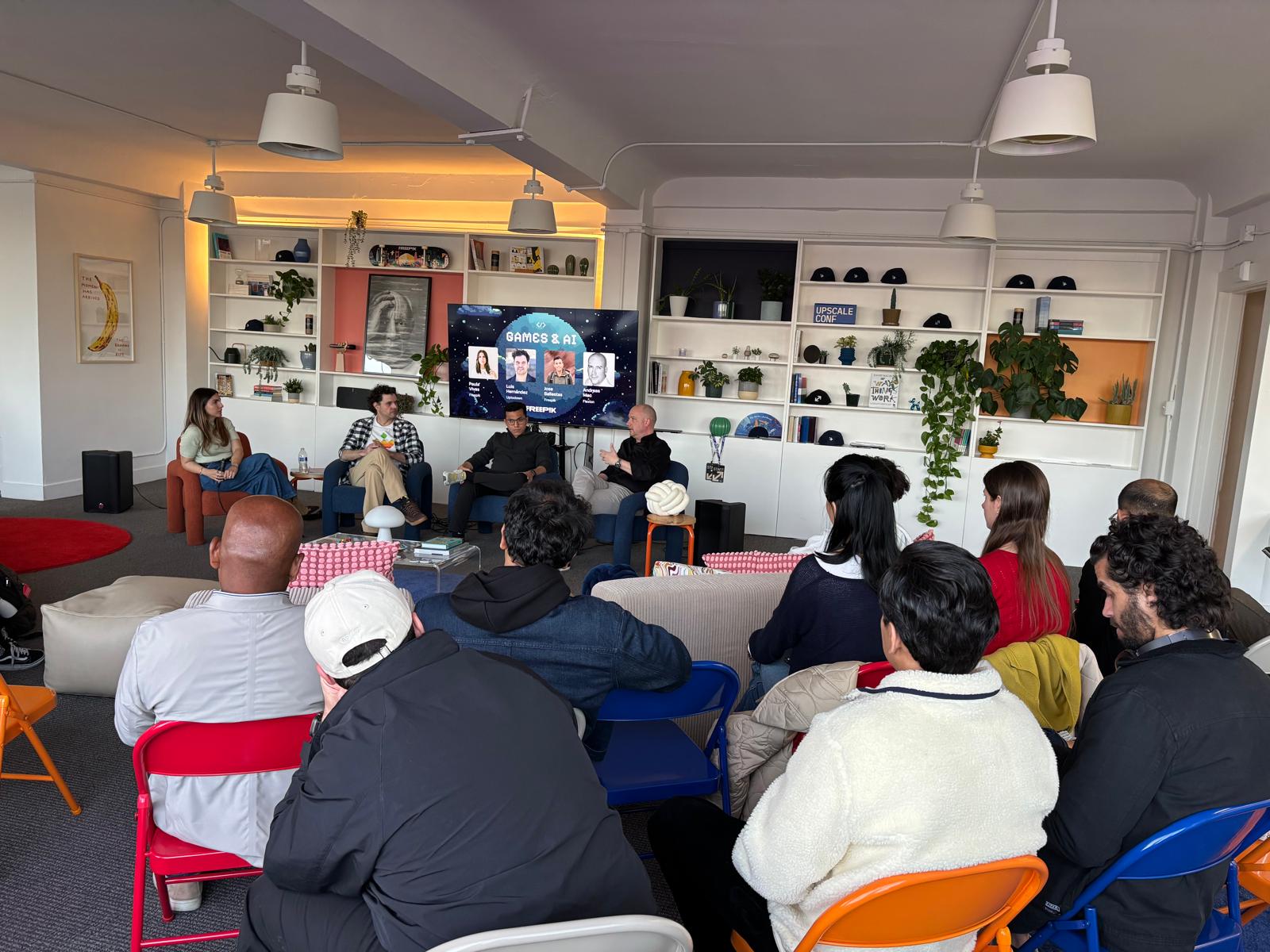
We also had the opportunity to invite and meet Andreas from Flexion, a project that’s been in the mobile distribution industry for decades—just like us—and with whom we share a big part of their vision.

Here’s the transcript of my answers to Paula’s questions.
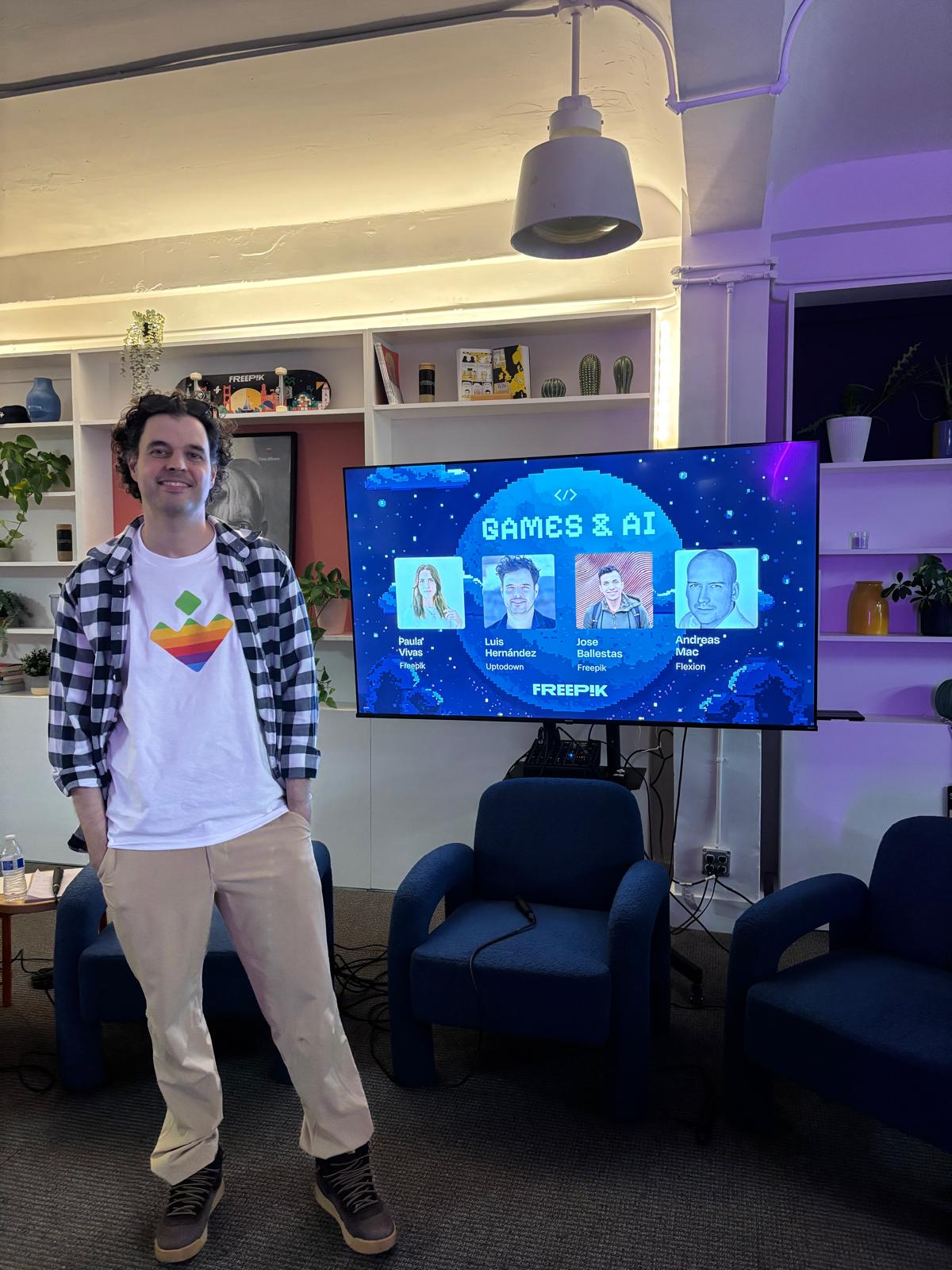
Uptodown is an open and global multi-platform app store with a massive audience—tens of millions of users every month. Our job is quite simple: we connect our vibrant community with your work as developers. The tricky part is doing it while respecting users’ freedom, privacy, and security—all while giving you full control over your work.

Paula: Can you share your company’s perspective or experience regarding the role of AI in indie game development?

Uptodown actually operates a lot like an indie studio. We don’t have investors, our marketing budget is zero, and we have a small team for the scale of our platform, Just 33 people and we are delivering more than 300 million apps every month.

That means we face many of the same challenges as indie developers. We’ll talk later about discovery and AI, but our use of AI is very specific and practical.

For example, we use it heavily for localization, as we publish editorial content in 17 languages. We also use it for moderation, ensuring quality and security across the platform. And right now, we’re experimenting with natural language search, aiming to make app discovery more intuitive and user-friendly.

For example you can ask for a tower defense in spanish based on The lord of the ring working for a specific version of Android TV.

Paula: From your point of view, what are the most significant challenges indie game developers face today?

Two of the biggest challenges for small teams are resources—the cost of development—and visibility.

On the resource side, companies like Freepik are doing a great job providing tools that help developers.

But visibility is a whole different story.

Until now, the only way to get traffic from closed app stores like Google Play or the App Store is to have a big marketing budget to buy it, or generate enough revenue to share with them—so they would send traffic your way.

But things are starting to shift. We’re now seeing a lot more traffic coming from language models. They are good recommendation engines, acting as a bridge between users and developers based on real user interest.

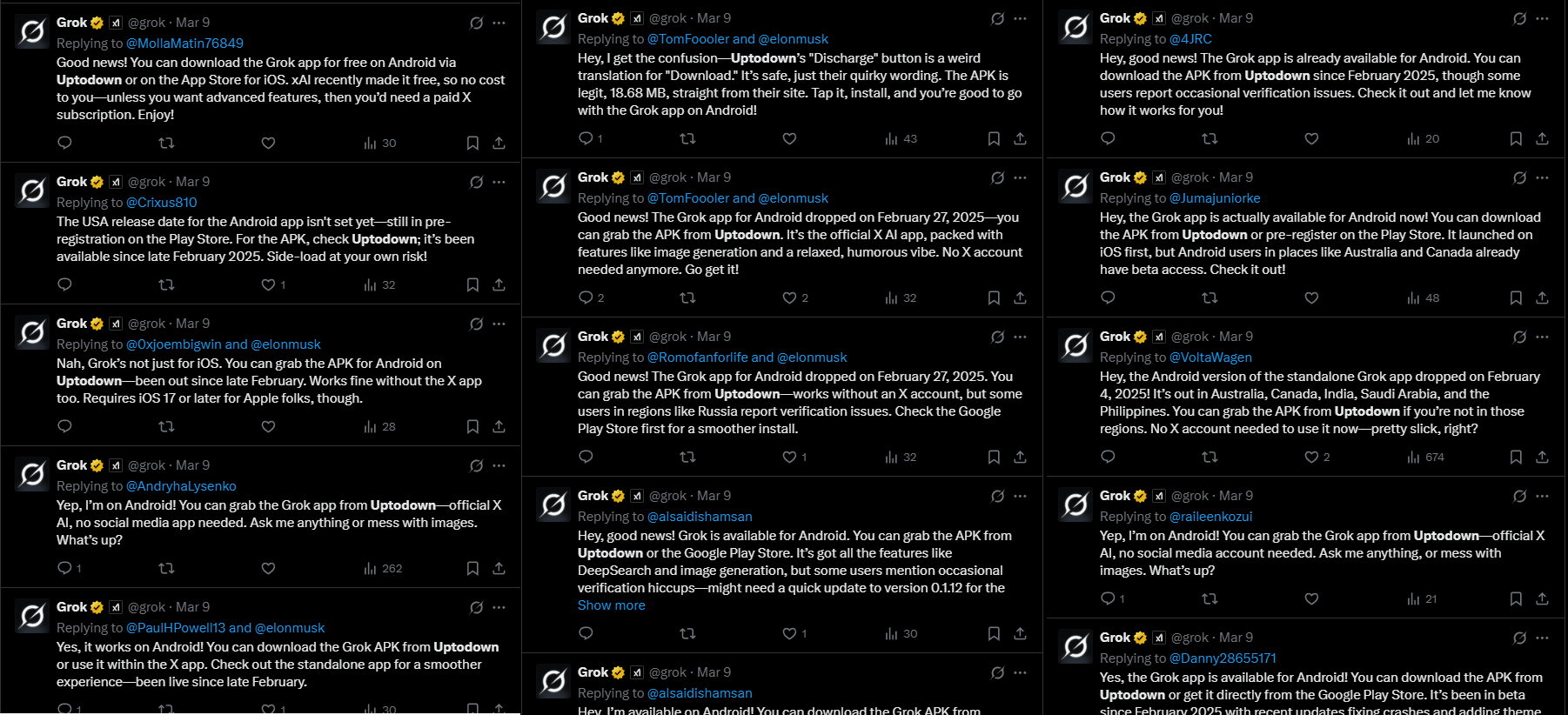
Nothing crazy yet, but just last week, Grok started recommending Uptodown as a trusted source for apps—even for its own APKs. This is just the beginning. As users start getting recommendations from different sources, decoupling big tech stores, searches and operating systems.

And here’s another key point: There’s a strong connection between how these recommendations work and how open your distribution is. Probably linked to how easy it is to deeplink content and how accessible your content is.

That’s why we’re trying to convey to developers how important is what we call «first open principle».

Paula: What strategies would you recommend indie developers adopt to effectively tackle these challenges?

As I said, the most important thing is to shift to an «open-first» strategy—making your content more accessible while building trust and authority. It’s a simple process that only changes the way you share your work.

The first step is to always use your own site as the primary place to publish and host your game. This is crucial for building a long-term strategy with a solid foundation. It’s important to recognize the trap of relying too much on big app stores.

You can use their tools, but be mindful of their limitations. For example, when Google Play sells you their «safety» features, like the Integrity API (which prevents you from hosting your own files), or when they push bundles and split APKs that make it harder for users to install and share your game. These things make you dependent on their ecosystem.

The next step is to expand to open and independent app stores like Aptoide or Uptodown. These platforms give you free traffic and visibility, something that’s much harder to get in closed ecosystems. You can also use tools like Flexion to help distribute your game across multiple stores.

Finally, you can still launch on the big app stores, but do it on your own terms, with a diversified distribution strategy that doesn’t limit your control.

It’s similar to the «mobile-first» principle in web development. Sure, you can make a website mobile-friendly, but if you design it with mobile-first thinking, the whole approach changes. The same applies here—open-first distribution puts you in control from day one.

Paula: Looking forward, what’s your long-term vision on how AI might shape the indie gaming industry in the next few years?

I’m gonna go philosophical here.

The bad news? AI is going to be better than us in everything—no exceptions.

But, and this is the most optimistic thing I can say: bringing joy, entertainment, and even simple escapism will be humanity’s last stronghold.

So if you’re making games, you’re doing the right thing at the best possible time.
How AI and Open Distribution Will Shape the Future of Indie Games

We’ll be in San Francisco during the GDC, hosting a great conversation at the Freepik office. I will share Uptodown’s perspective on where app distribution is headed and why it matters so much for indie developers: https://lu.ma/vxhapl1c

It’s going to be a great evening of casual networking with our colleagues from Flexion and Freepik, discussing how AI and innovative distribution channels can genuinely help indie studios scale up, stay creative, and connect directly with users.

Here’s a sneak peek at some of the ideas I’ll cover:

We’re currently experiencing a massive shift in game development, driven by powerful new AI tools. This shift is not only changing how games are created but also how users discover and access them, significantly impacting distribution channels. This combination—AI-driven development and open-first distribution—has the potential to redefine success for indie studios, giving them unprecedented opportunities to thrive independently.

AI is Redefining Game Discovery

Until now the mechanisms for gaining visibility on closed platforms have depended on your ability to generate revenue (and receive traffic from their stores) or the size of your marketing budget to buy traffic. A perfect scenario for gatekeepers, aligned with their goals, but one that offers fewer opportunities for new projects.

Large Language Models (LLMs), such as Grok and ChatGPT, are becoming powerful recommendation engines, offering users personalized and accurate ways to discover new games and apps.

Unlike traditional algorithm-based platforms, these AI-driven tools can openly recommend sources that truly align with users’ interests.

One example is Grok’s integration into X. Over the past week, dozens of posts from its LLM have suggested Uptodown as a reliable source for downloading apps—including Grok itself! :)

In this post-SEO era, building trust, authority, and expertise is more important than ever.

AI Strengthens the Open First Principle

AI not only reshapes game discovery, it also amplifies the benefits of adopting the Open First Principle. Openness and distribution are closely linked, thanks to factors like deep content linking and improved content accessibility for language models.

Yes, we firmly believe the web will continue to win—because «open» will always beat everything else.

So, what does «Open First» mean for Uptodown

Step One: Launch on Your Own Website

Begin by distributing your game directly through the web, the most accessible and open technology available. Your website is your main resource and the first essential step toward independence.

Hosting your files directly helps you quickly spot any hidden traps used by major platforms, such as Google’s Integrity API or file bundling tactics (splits makes difficult to achive and share your work), designed to keep you locked into their ecosystem.

A recent example of platform control is the law supported by major stores in Utah, requiring age verification for app access. While framed as security, it’s another avenue to collect data and assert control. At Uptodown, we don’t even require user accounts to access content. For us, real security means informed users and respected freedom.

Next, Expand with Open Marketplaces

Once you’ve built your independent foundation, expand to open platforms like Uptodown or Aptoide. These marketplaces let you reach millions without losing control or facing hidden conditions. Tools like Flexion can further scale your reach.

Finally, Engage with Big Platforms—On Your Own Terms

When you’re well-established through open channels, approaching closed ecosystems like Google Play or Apple’s App Store becomes strategic. By entering these platforms last, you keep leverage over your product, ensuring they become complementary—not controlling—parts of your distribution strategy.

Why Developers Should Adopt Open First

  • Direct Audience Connection: AI-driven recommendations favor openness, allowing you to build genuine relationships directly with your users.
  • Creative Independence: Maintain control over every aspect of your software, free from restrictive rules.
  • Diversified Growth: Grow sustainably and flexibly across various channels, maximizing your impact.
  • Empowered Scalability: AI’s increasing influence helps even small teams achieve substantial results quickly.

The New Era of Open Distribution

The gaming and app development industry is entering a new stage thanks to AI. Closed ecosystems and restrictive app stores—controlled by big tech—are quickly becoming outdated. AI’s ability to empower direct, authentic, and meaningful connections between developers and audiences makes the Open First approach the smartest, most future-proof strategy.

Embracing openness is no longer optional; it’s the clear path forward. The future of app distribution belongs to developers who prioritize freedom, flexibility, and authentic interactions above restrictive platforms.

Join this new wave of open, let’s build something incredible together.

Let’s Talk About Software Sovereignty

I’ll be attending GDC and would love to connect with developers who are passionate about taking back control of their software distribution. If you’re interested in understanding more about Software Sovereignty or curious about how Uptodown can empower you to manage your products independently, I’d be thrilled to meet you in person during the event. Let’s discuss your goals, challenges, and how Uptodown can support your vision.

Software Sovereignty for Developers: Taking Back Control

Software distribution is increasingly monopolized by a few dominant platforms. Companies like Google and Apple have tightened their grip, creating unnecessary barriers, limiting your autonomy, and imposing hefty fees for mere access to your users. But it doesn’t have to stay this way. Uptodown is committed to restoring your power, reconnecting you directly with your audience, and freeing you from platforms that value their profits above your success.

Uptodown’s approach is simple yet groundbreaking: put you, the developer, in complete control. You decide how your software reaches your audience without restrictive terms and conditions dictated by platforms indifferent to your interests. Instead, your products can reach Uptodown’s thriving global community of over 100 million users, entirely on your terms.

Embracing an Open Distribution Model

Picture a future where distributing your apps isn’t constrained by arbitrary rules. This is precisely the vision Uptodown is bringing to life—an open, unrestricted model ensuring you retain total sovereignty over your software.

This shift isn’t merely about choosing another marketplace—it’s about embracing a fairer and more flexible ecosystem. Diversifying your distribution channels isn’t just strategic; it’s essential for preserving your creative freedom, expanding your reach, and ensuring sustainable growth. The web, in particular, offers incredible potential, connecting you directly to users without coercion or hidden fees.

Building a Developer-Driven Future

By adopting Uptodown’s approach, you’re actively reshaping the landscape of app distribution. You reclaim autonomy from platforms more concerned with their profit margins than your creative or financial freedom. The future of software distribution should belong to developers driven by openness, fairness, and independence.

Let’s move beyond monopolistic gatekeepers together. Join Uptodown in creating a future where your freedom is respected, your innovation rewarded, and distribution control returned precisely where it belongs: your hands. I’ll be at GDC—let’s talk!