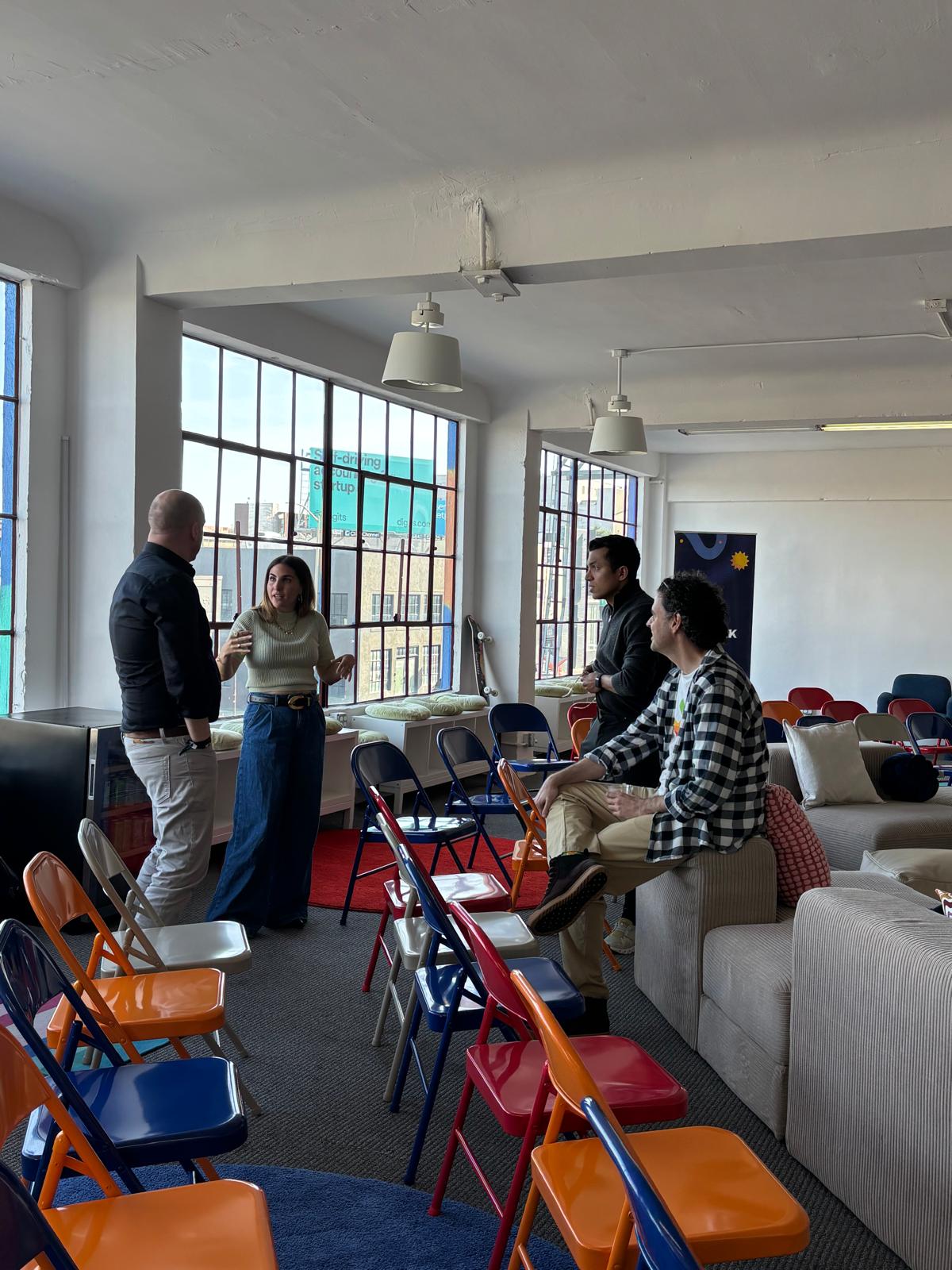
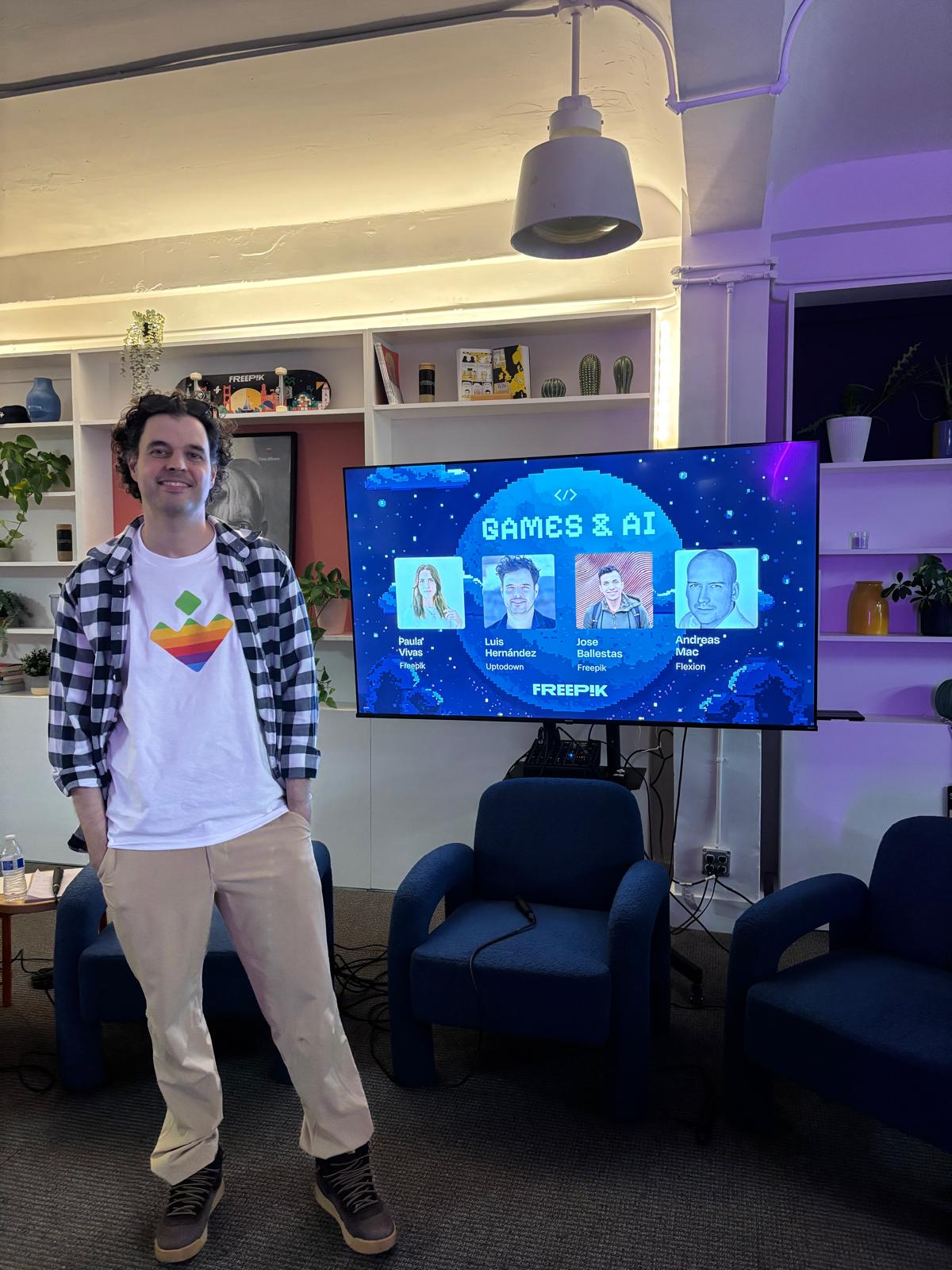
This week we had the pleasure of participating in a panel hosted by our friends at Freepik in their amazing San Francisco office.
Paula Vivas and her U.S. team are doing incredible work, perfectly reflecting the company’s style—professional, but still keeping that friendly, hacker spirit we love so much back in Málaga :)
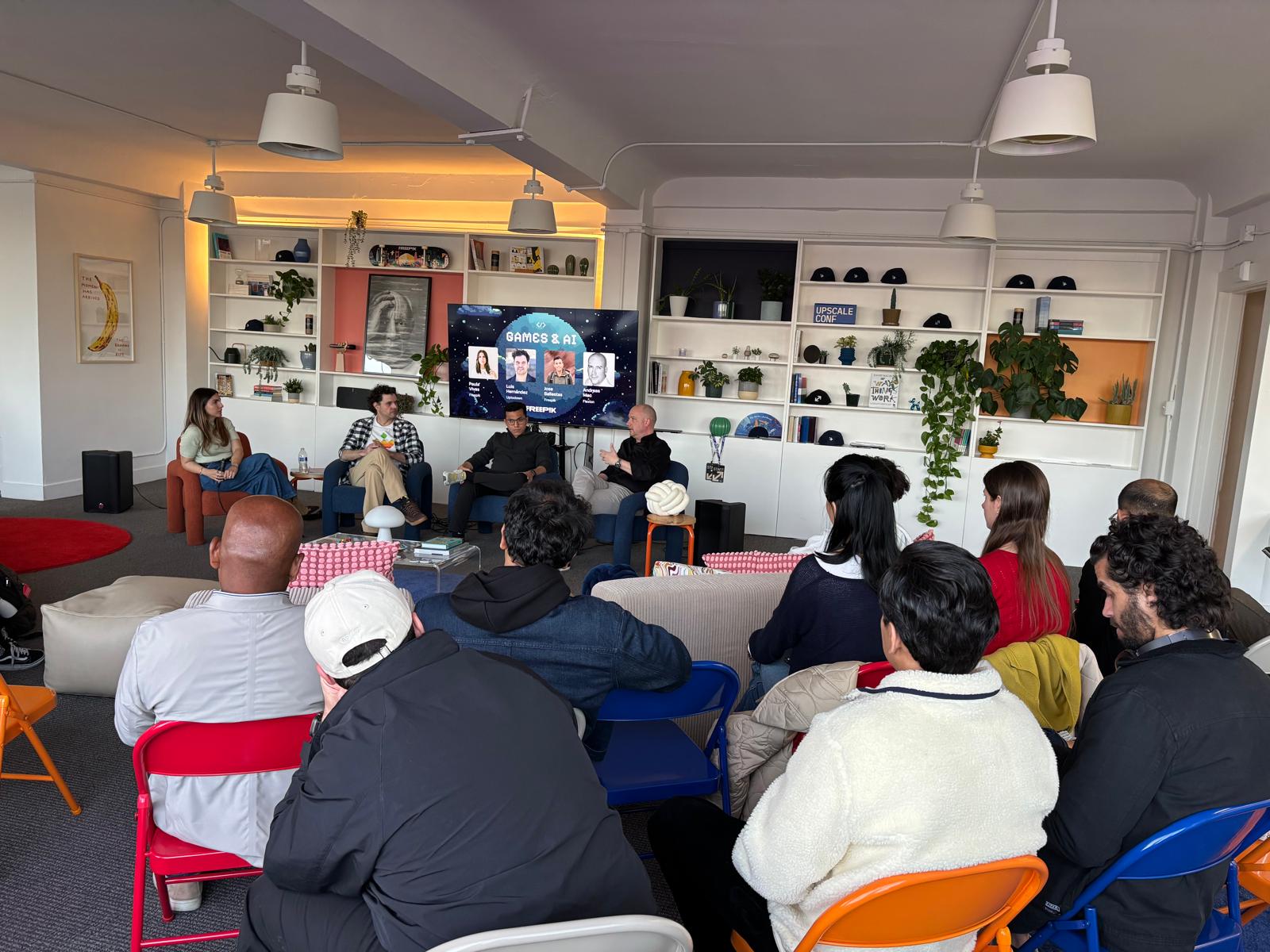
We also had the opportunity to invite and meet Andreas from Flexion, a project that’s been in the mobile distribution industry for decades—just like us—and with whom we share a big part of their vision.
Here’s the transcript of my answers to Paula’s questions.
Uptodown is an open and global multi-platform app store with a massive audience—tens of millions of users every month. Our job is quite simple: we connect our vibrant community with your work as developers. The tricky part is doing it while respecting users’ freedom, privacy, and security—all while giving you full control over your work.
Paula: Can you share your company’s perspective or experience regarding the role of AI in indie game development?
Uptodown actually operates a lot like an indie studio. We don’t have investors, our marketing budget is zero, and we have a small team for the scale of our platform, Just 33 people and we are delivering more than 300 million apps every month.
That means we face many of the same challenges as indie developers. We’ll talk later about discovery and AI, but our use of AI is very specific and practical.
For example, we use it heavily for localization, as we publish editorial content in 17 languages. We also use it for moderation, ensuring quality and security across the platform. And right now, we’re experimenting with natural language search, aiming to make app discovery more intuitive and user-friendly.
For example you can ask for a tower defense in spanish based on The lord of the ring working for a specific version of Android TV.
Paula: From your point of view, what are the most significant challenges indie game developers face today?
Two of the biggest challenges for small teams are resources—the cost of development—and visibility.
On the resource side, companies like Freepik are doing a great job providing tools that help developers.
But visibility is a whole different story.
Until now, the only way to get traffic from closed app stores like Google Play or the App Store is to have a big marketing budget to buy it, or generate enough revenue to share with them—so they would send traffic your way.
But things are starting to shift. We’re now seeing a lot more traffic coming from language models. They are good recommendation engines, acting as a bridge between users and developers based on real user interest.
Nothing crazy yet, but just last week, Grok started recommending Uptodown as a trusted source for apps—even for its own APKs. This is just the beginning. As users start getting recommendations from different sources, decoupling big tech stores, searches and operating systems.
And here’s another key point: There’s a strong connection between how these recommendations work and how open your distribution is. Probably linked to how easy it is to deeplink content and how accessible your content is.
That’s why we’re trying to convey to developers how important is what we call «first open principle».
Paula: What strategies would you recommend indie developers adopt to effectively tackle these challenges?
As I said, the most important thing is to shift to an «open-first» strategy—making your content more accessible while building trust and authority. It’s a simple process that only changes the way you share your work.
The first step is to always use your own site as the primary place to publish and host your game. This is crucial for building a long-term strategy with a solid foundation. It’s important to recognize the trap of relying too much on big app stores.
You can use their tools, but be mindful of their limitations. For example, when Google Play sells you their «safety» features, like the Integrity API (which prevents you from hosting your own files), or when they push bundles and split APKs that make it harder for users to install and share your game. These things make you dependent on their ecosystem.
The next step is to expand to open and independent app stores like Aptoide or Uptodown. These platforms give you free traffic and visibility, something that’s much harder to get in closed ecosystems. You can also use tools like Flexion to help distribute your game across multiple stores.
Finally, you can still launch on the big app stores, but do it on your own terms, with a diversified distribution strategy that doesn’t limit your control.
It’s similar to the «mobile-first» principle in web development. Sure, you can make a website mobile-friendly, but if you design it with mobile-first thinking, the whole approach changes. The same applies here—open-first distribution puts you in control from day one.
Paula: Looking forward, what’s your long-term vision on how AI might shape the indie gaming industry in the next few years?
I’m gonna go philosophical here.
The bad news? AI is going to be better than us in everything—no exceptions.
But, and this is the most optimistic thing I can say: bringing joy, entertainment, and even simple escapism will be humanity’s last stronghold.
So if you’re making games, you’re doing the right thing at the best possible time.

 @luishg